Interfascze names an event, not a classification of objects: it occurs whenever a subject, an artifact, and the objective of an action converge, organizing perception, meaning, and the possibility of acting on the world all at once. The artifacts we build —spaces, images, systems— are not a neutral backdrop: they end up building us.
Interfascze has been an ongoing investigation since 1995. Like any body of theory that thinks itself through practice, its formulation has been refined and has shifted over time: the earlier texts gathered in this section should not be read as contradictory versions of one another, but as stations along the same conceptual journey — one whose most recent point is the definition that opens this page.
The texts and catalogues gathered in this section were written across different projects of analysis, design, and photographic practice, and constitute an ongoing investigation into how we perceive, and are perceived by, what we inhabit.
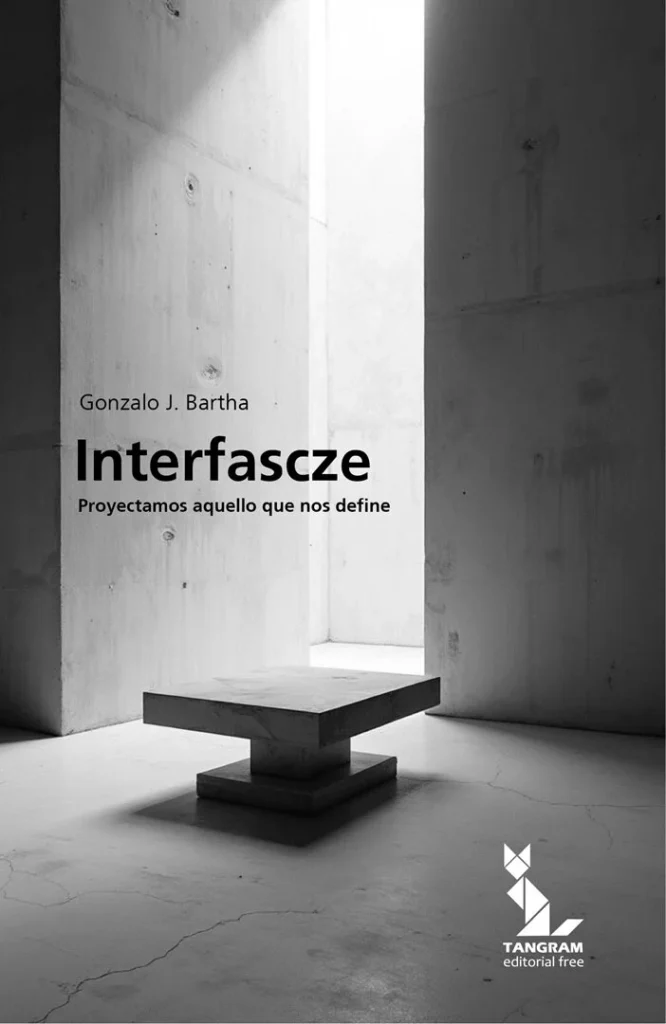
Interfascze articulates a body of thought that unfolds across multiple layers: the material, the symbolic, and the perceptual. The texts gathered in this volume were written throughout a range of research, design, and photographic projects. Together, they offer an integrated perspective on the relationship between artefact, subject, and necessity.
This book forms part of a broader research project that extends into architectural photography, geometric abstraction, and the sequential reading of the built environment. It is both a theoretical essay and a conceptual map: a guide to understanding how objects and spaces shape the ways we think, feel, and interpret the world.
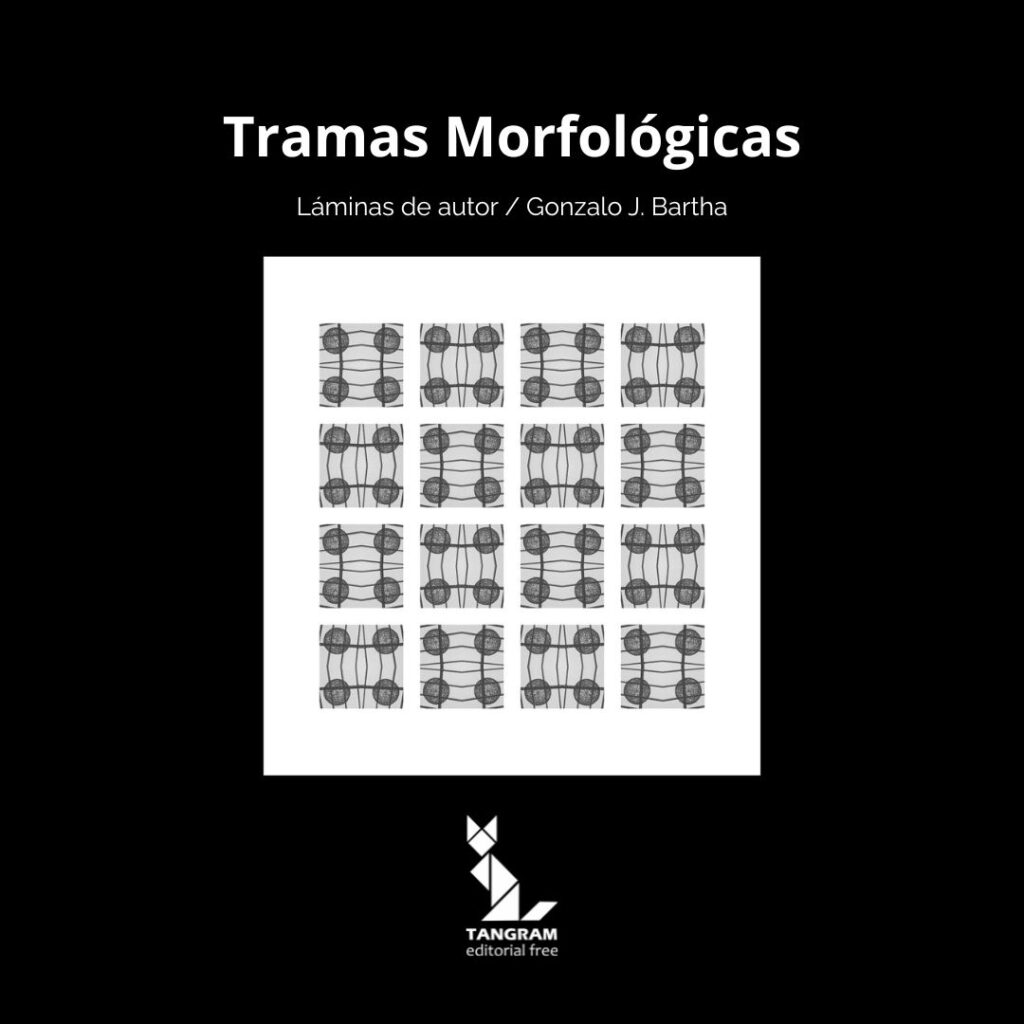
Morphological Patterns
Interfasczes of Meaning and Structure
Morphological Patterns explores photography as an Interfascze between fragment and structure, where operations of symmetry and repetition transform a portion of the world into an ordered and meaningful visual system.
The series brings together photography, design, and visual morphology: photographic fragments are transformed through axial symmetries into repetitive patterns that function as Interfasczes between perception, structure, and meaning, shifting photography from representation toward system.
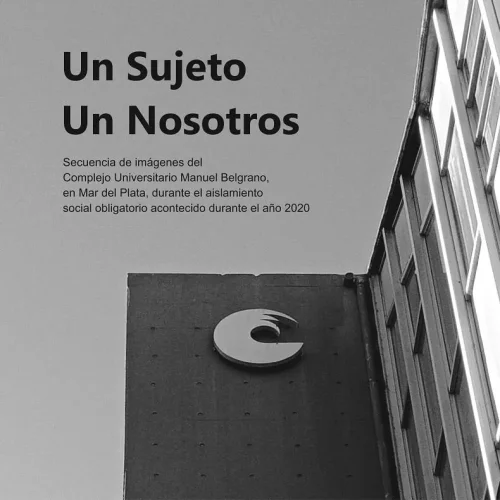
One Subject. One Us.
In this series, I examine the university building as a conceptual and political artefact: a space conceived for collective use, whose architecture and visible traces operate as an Interfascze between an institutional idea and the subjectivities that inhabit and continually reshape it. The absence of the individual figure within the image paradoxically intensifies its collective presence.
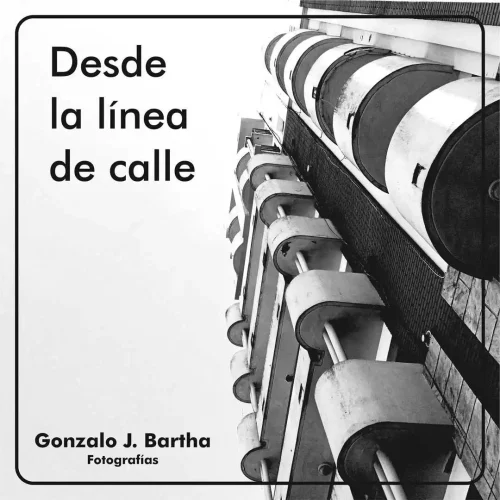
From Street Level
The series explores domestic architecture from street level, approaching each dwelling as an artefact through which material resources, morphological decisions, and social context converge to shape an anonymous narrative oscillating between the public and the private.
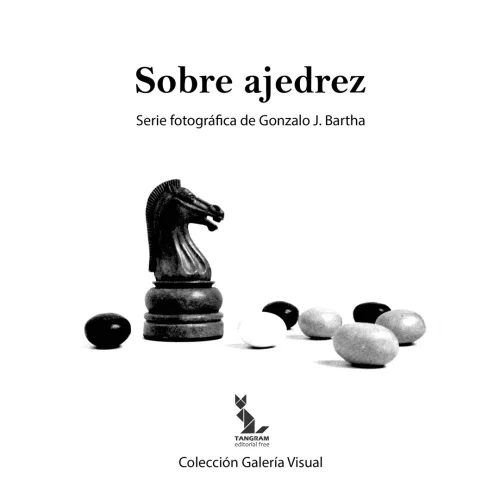
About Chess
The Chessboard as a Metaphor for Habitus
About Chess is a photographic series that uses the chessboard as a symbolic device to reflect on the relationship between the individual, structure, and destiny. Rather than approaching chess as a mere game, the series understands it as a representational system in which passions, conflicts, and socially internalised rules are brought into play.
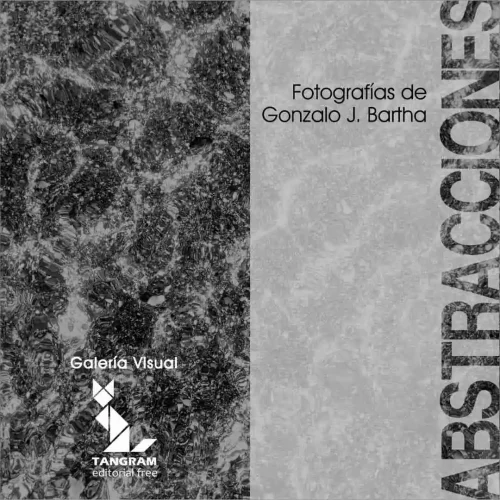
Abstractions
The technical process shared by both photographic series is grounded in observation, selection, and framing as its fundamental operations, reducing each scene to autonomous fragments through which reality is translated into visual structure without post-production manipulation.
Working through observation and framing, I transformed fragments of the built environment into abstract images, balancing chance and control as fundamental elements of the photographic process.
¿En qué puedo ayudarte?