I understand photography not as a mirror, but as an Interfascze: a threshold where light becomes memory.
My work explores the three dimensions of the image: Fase (the material trace), Face (the visible surface), and Faze (the transsubjective system).
Here, you will not find decisive moments, but sequences that articulate a visual language for reading what usually goes unnoticed.
Fase (Traces)
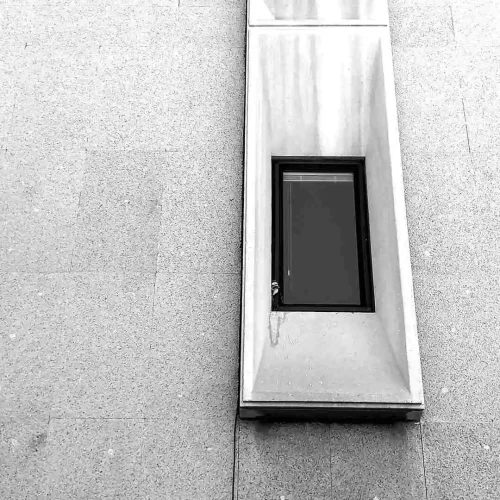
Contact. Matter, grain, and tangible light.
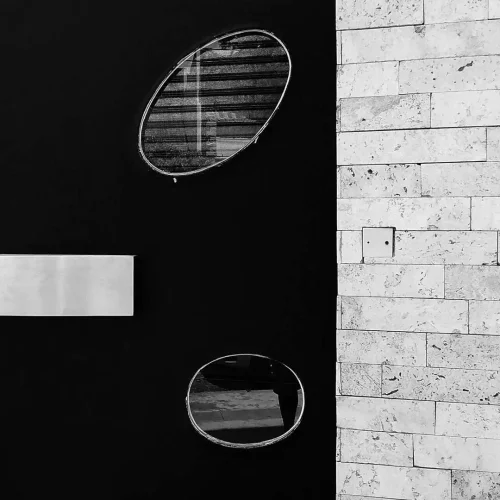
The Fragment as a Whole
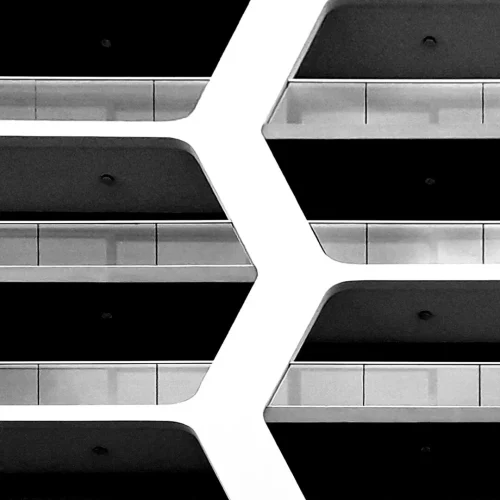
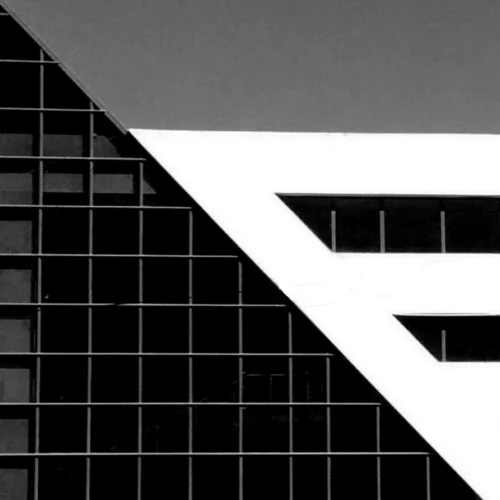
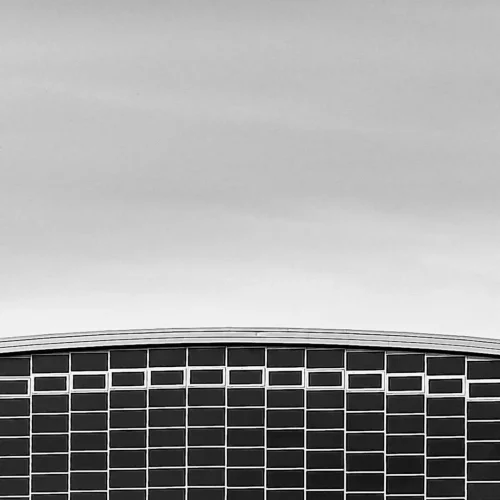
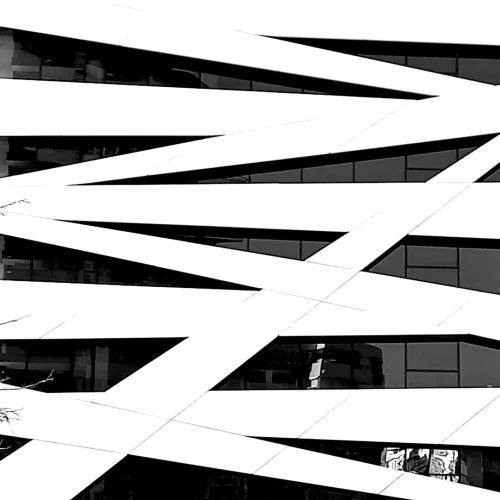
Interfasczes Between Form and Geometry
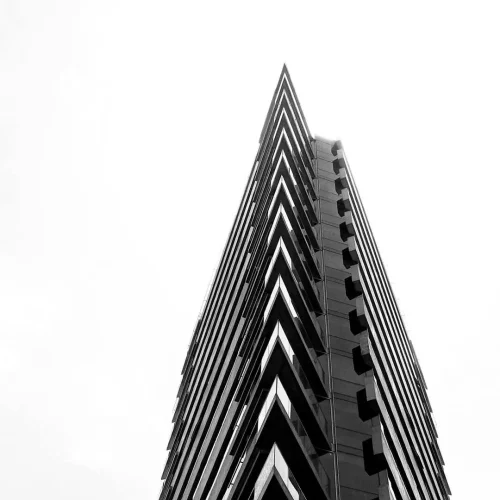
In this series, I worked through observation and framing to transform fragments of the built environment into abstract images, balancing chance and control as an essential part of the photographic process.
The technical process was not merely instrumental, but a strategy of visual thinking: observing, isolating, and organising fragments of reality until the image itself became a question.
Face (Codes)
The Surface. Signs, framing, and urban geometry.
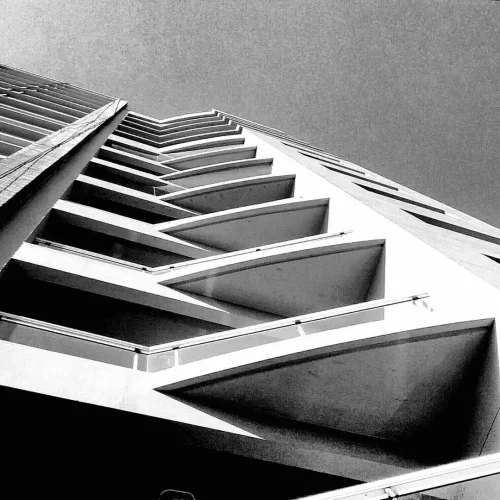
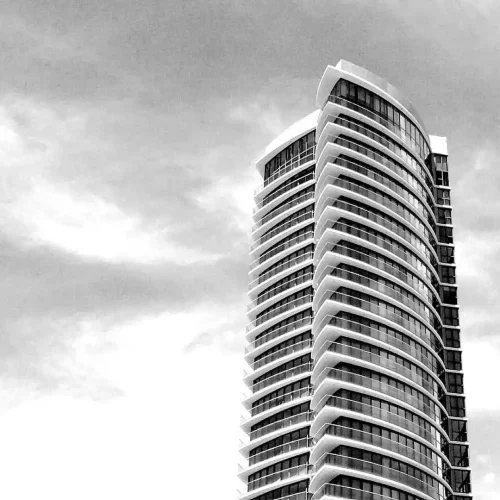
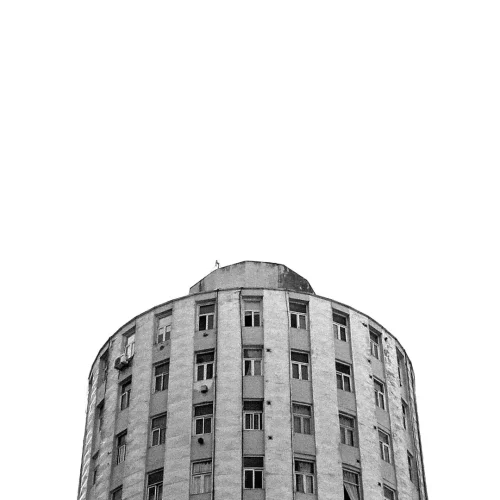
From Street Level
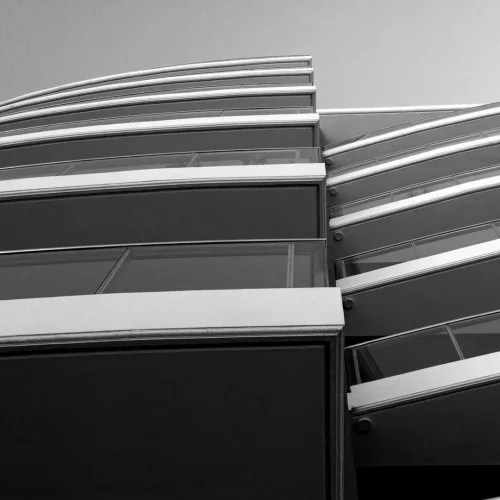
Point of View in Architectural Photography
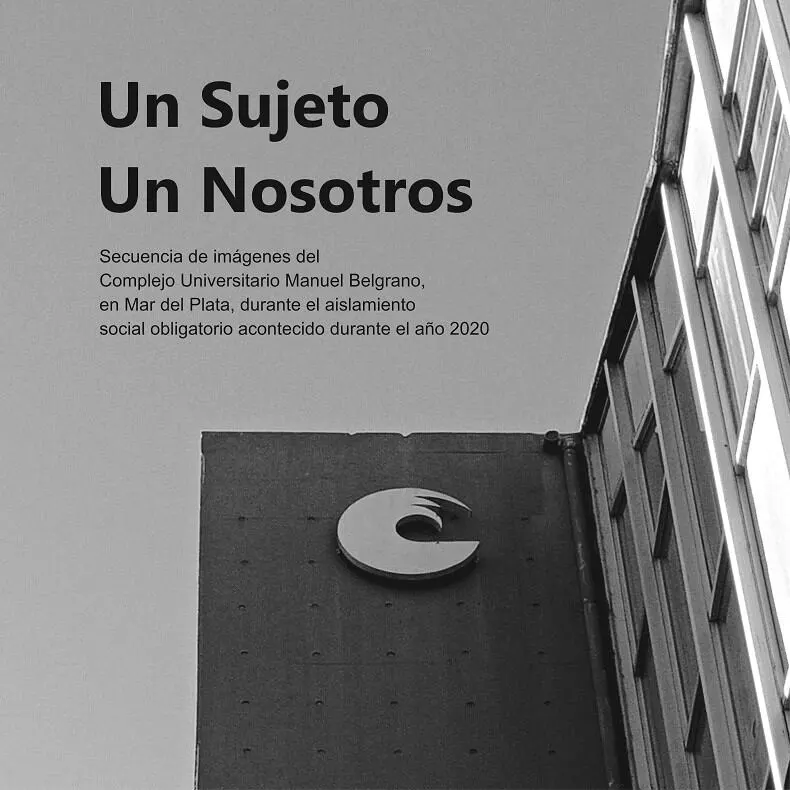
In this series, I explore domestic architecture from the perspective of public space, suspending individual authorship to construct a sequential narrative in which architectural form becomes an Interfascze between interiority, the built environment, and collective perception.
The work was produced using mobile devices as tools of visual inquiry, privileging viewpoint, repetition, and temporal variation to create a sequence in which meaning emerges through the relationships between images.
The Network. Sequences, patterns, and invisible narratives.
Morphological Patterns
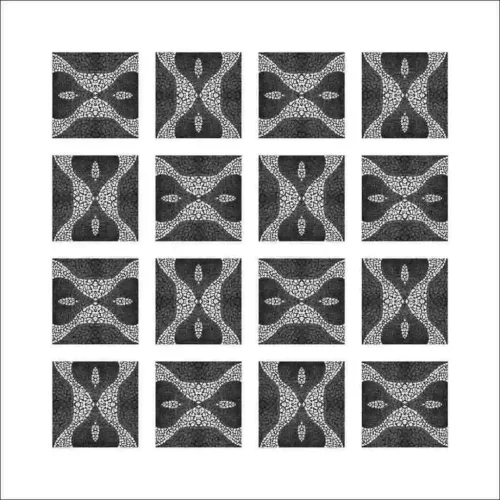
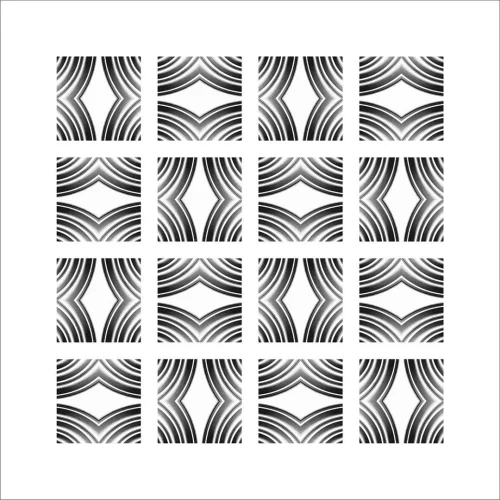
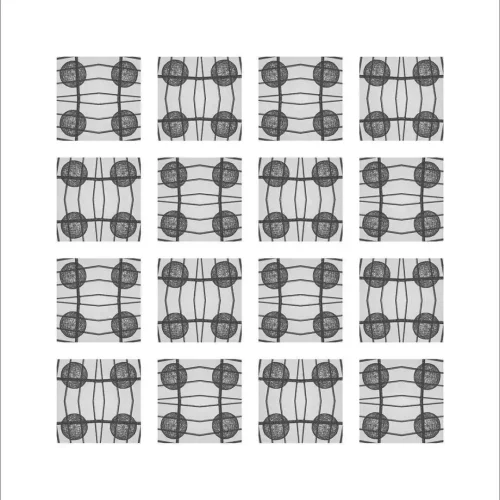
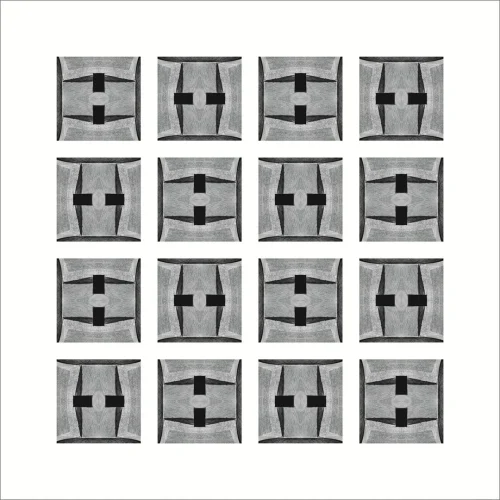
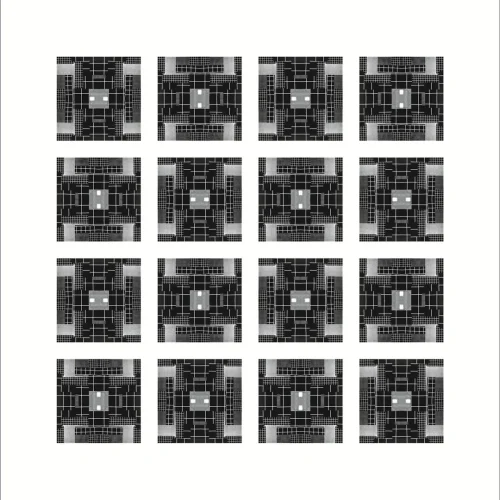
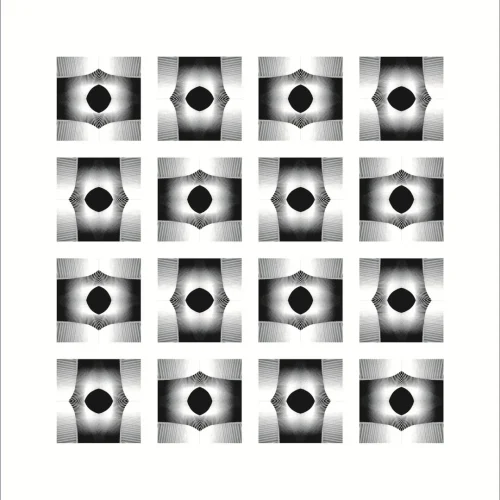
FPhotography, the Fragment, and Gestalt
In this series, photography becomes a method of visual inquiry into the relationship between fragment, perception, and structure. Through axial symmetry, photographic fragments are transformed into repetitive patterns that function as Interfasczes between perception, structure, and meaning, shifting the image from representation towards the logic of systems.
Las cookies me permiten, entre otras cosas, almacenar y recuperar información sobre tus hábitos de navegación o de tu equipo, y dependiendo de la información que contengan y de la forma en que utilices tu equipo, reconocerte. AceptarRechazar Tú decides si me dejas o no... Leer más
Privacy & Cookies Policy
Privacy Overview
This website uses cookies to improve your experience while you navigate through the website. Out of these cookies, the cookies that are categorized as necessary are stored on your browser as they are essential for the working of basic functionalities of the website. We also use third-party cookies that help us analyze and understand how you use this website. These cookies will be stored in your browser only with your consent. You also have the option to opt-out of these cookies. But opting out of some of these cookies may have an effect on your browsing experience.
Necessary cookies are absolutely essential for the website to function properly. This category only includes cookies that ensures basic functionalities and security features of the website. These cookies do not store any personal information.
Any cookies that may not be particularly necessary for the website to function and is used specifically to collect user personal data via analytics, ads, other embedded contents are termed as non-necessary cookies. It is mandatory to procure user consent prior to running these cookies on your website.