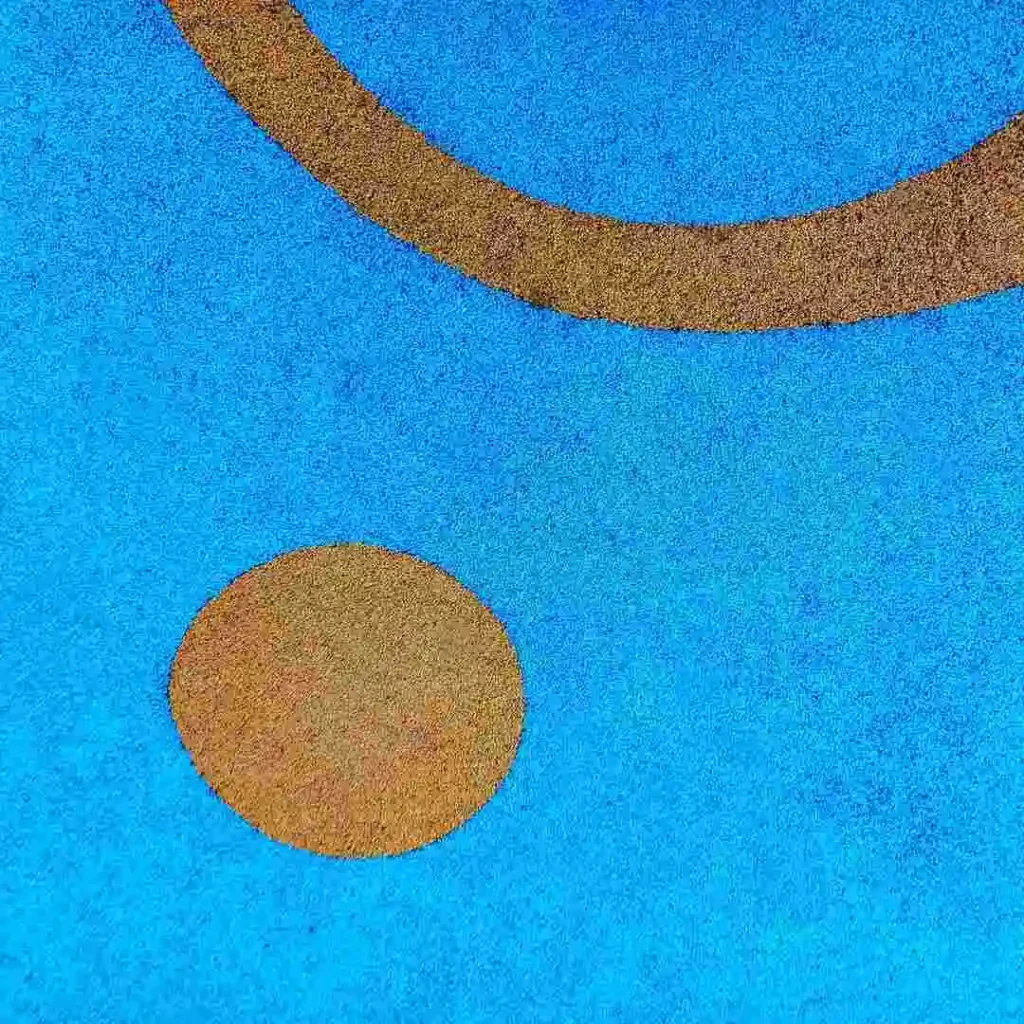
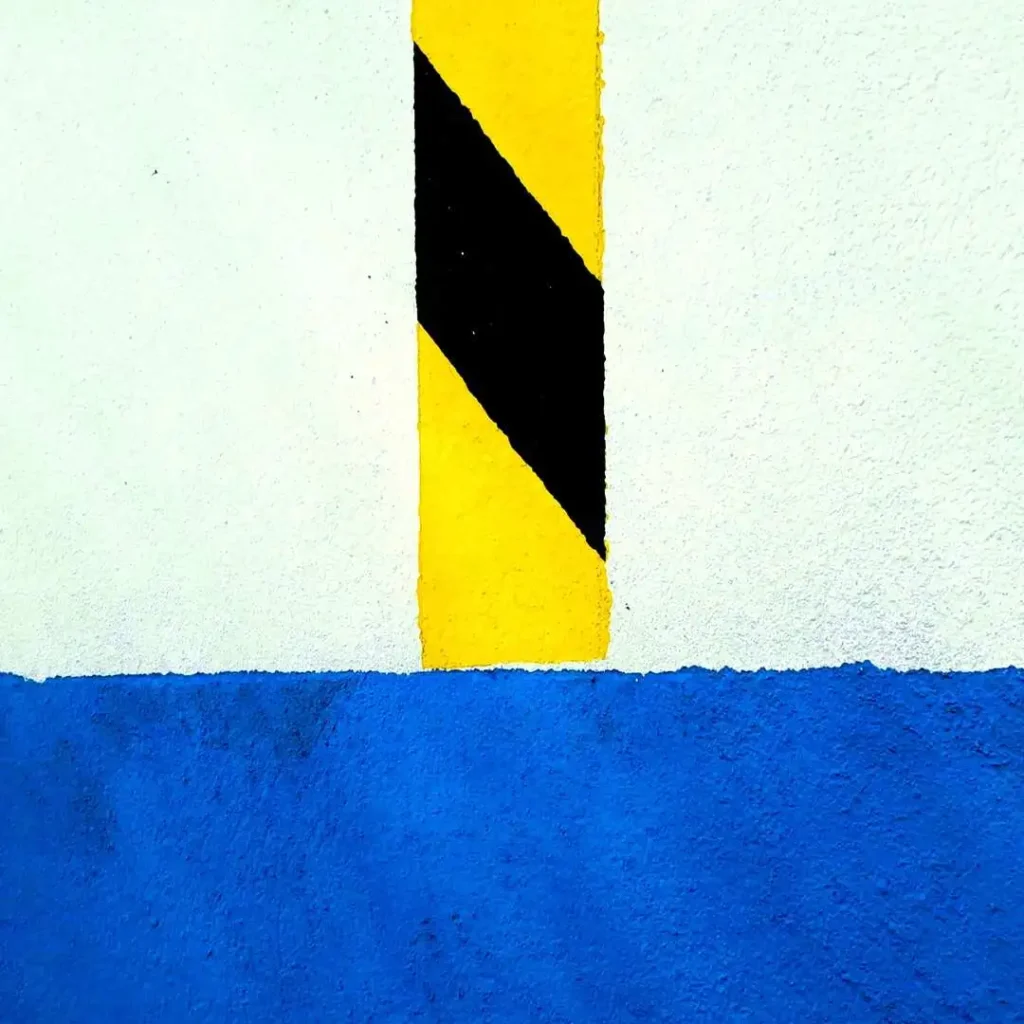
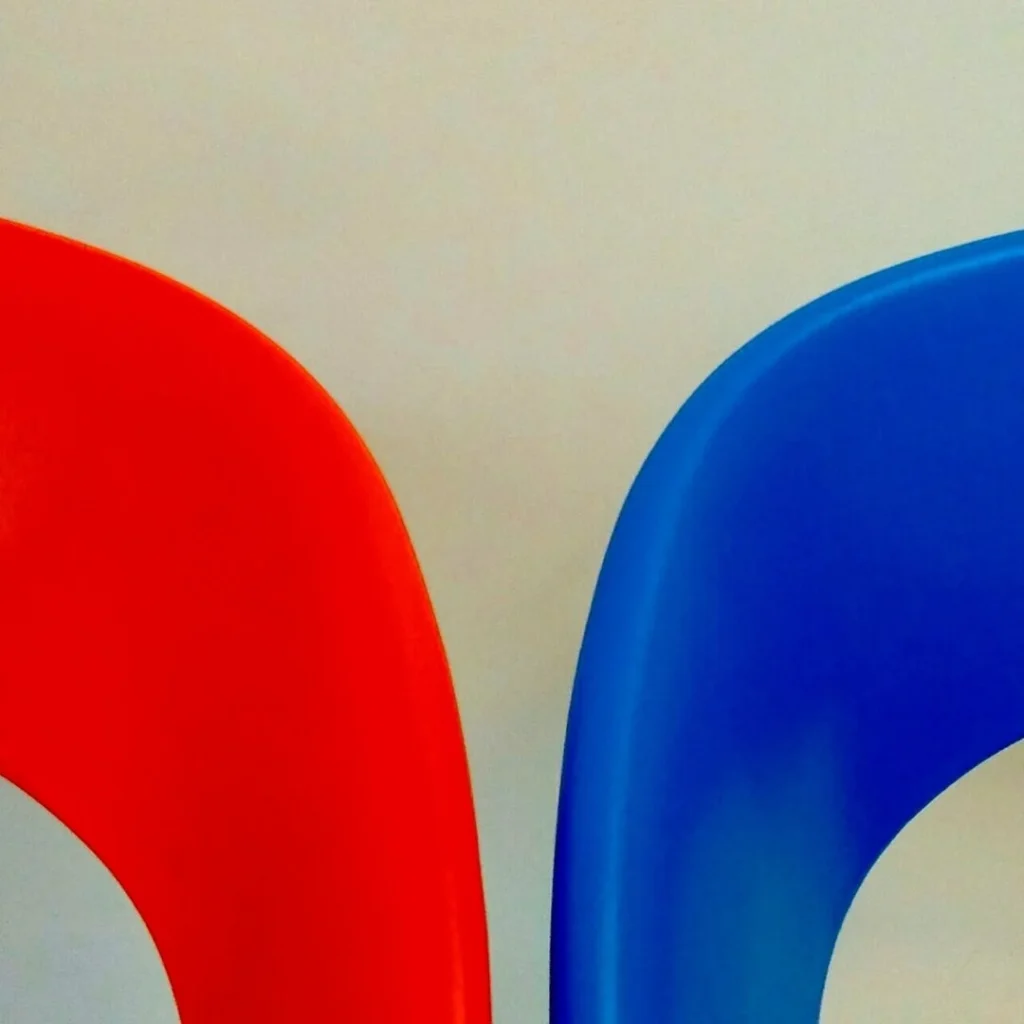
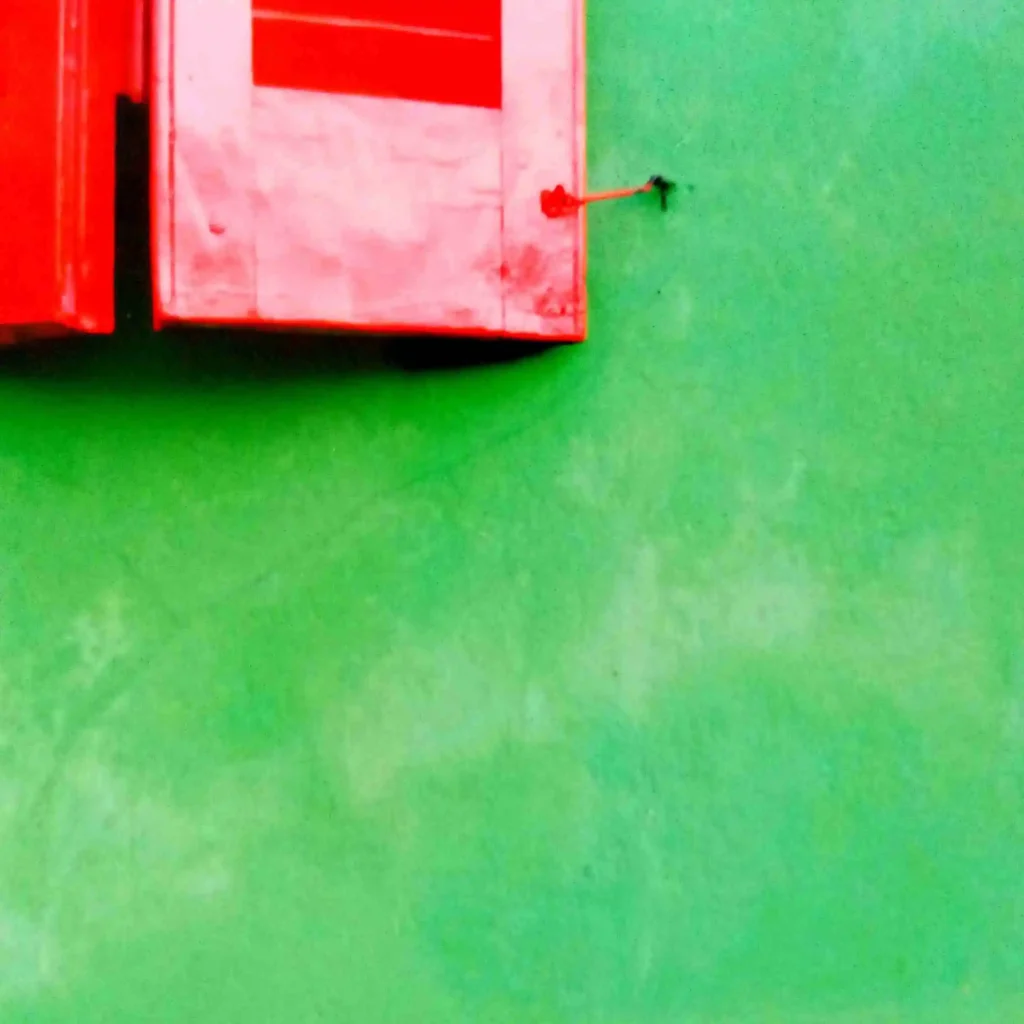
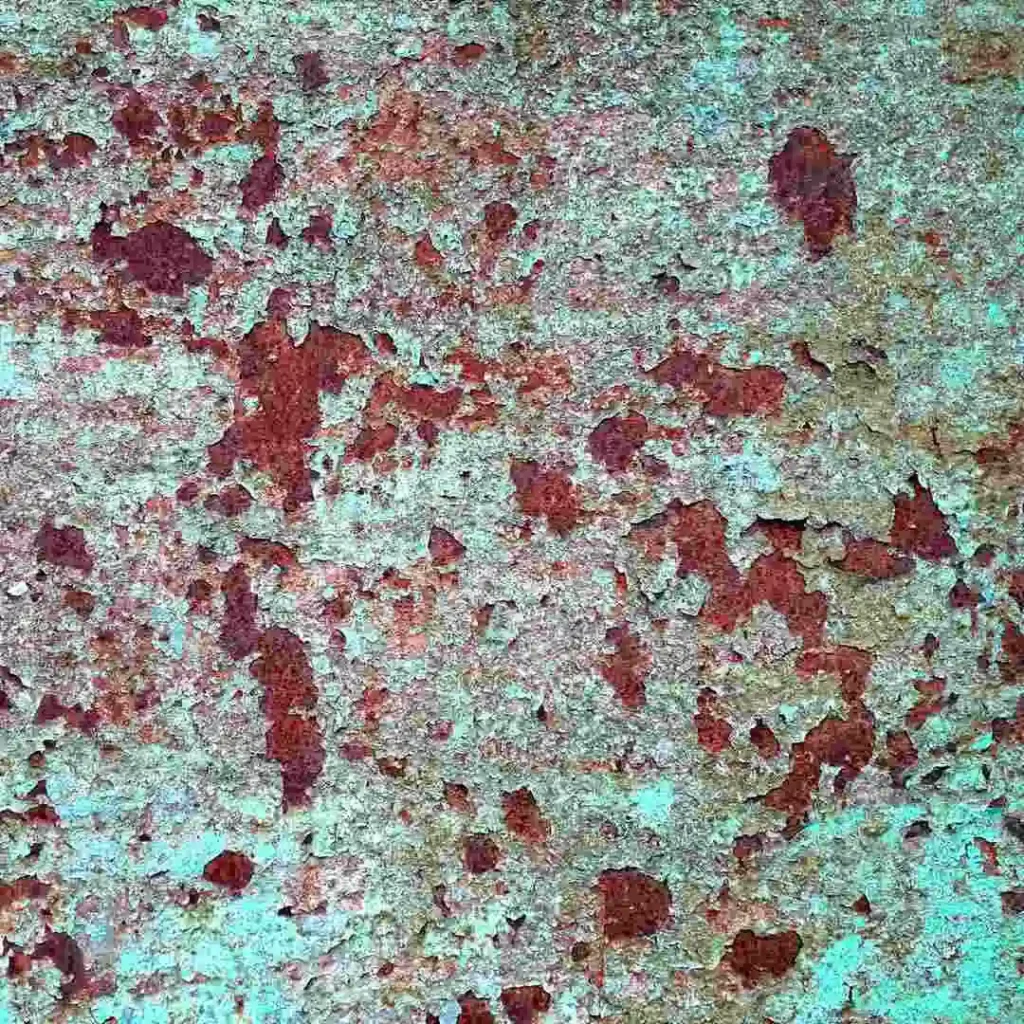
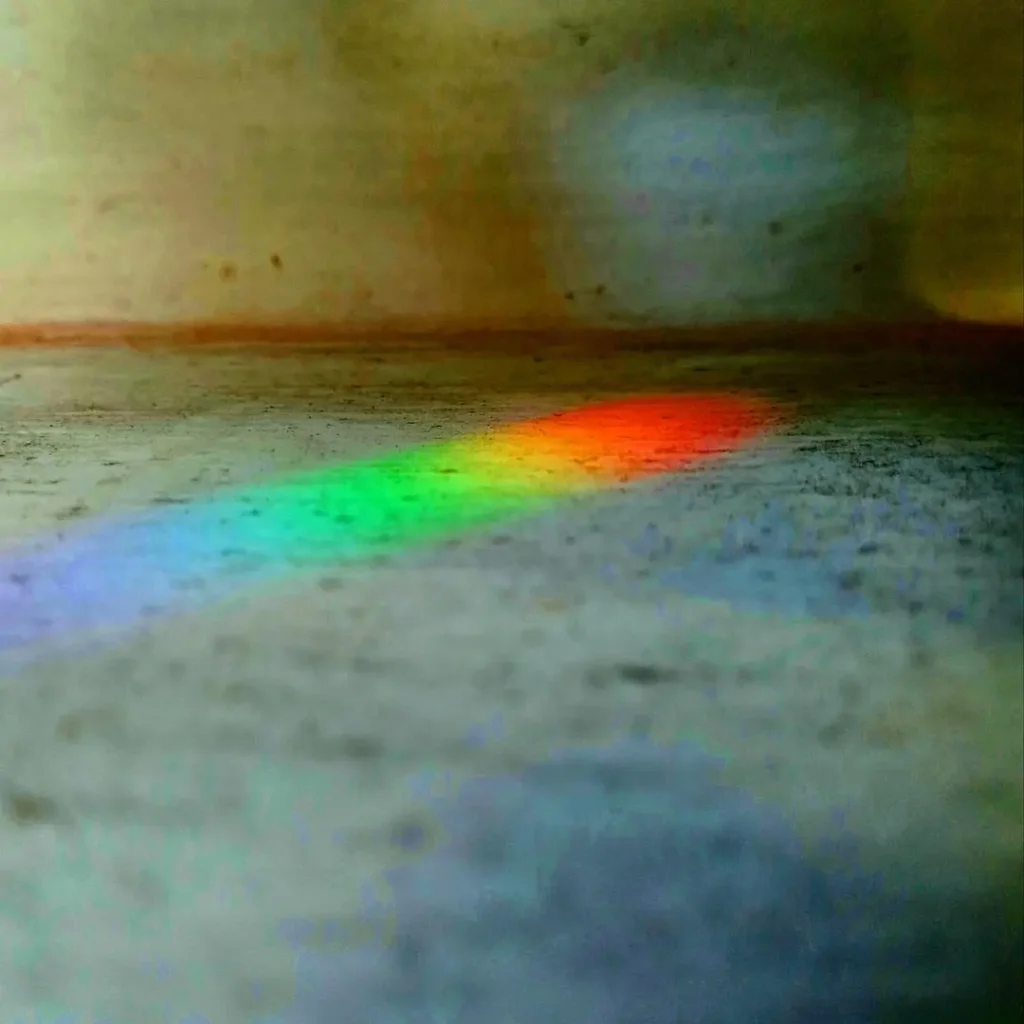
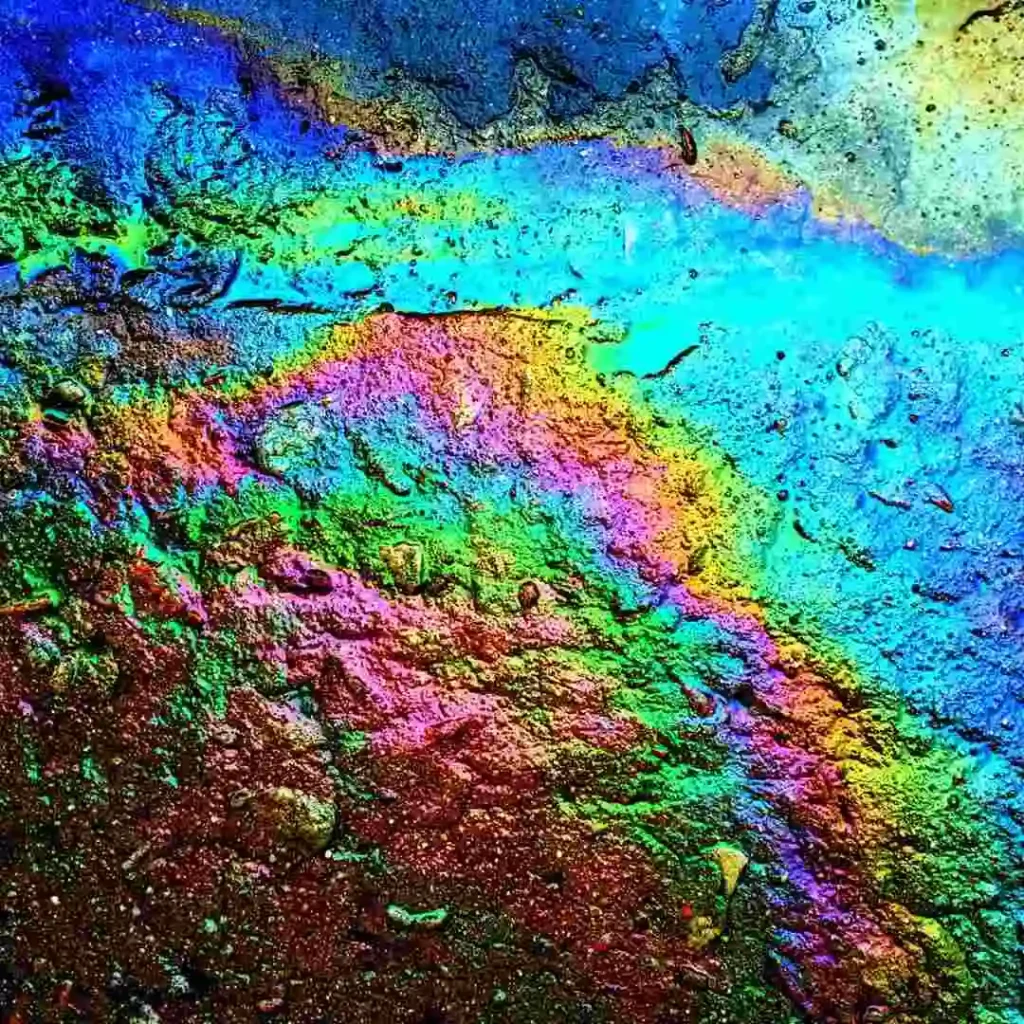
In the act of looking, the eye instinctively searches for patterns, lines, and familiar forms. Yet when attention lingers on the fragmentary, something unexpected takes place: the partial becomes whole, and the dispersed acquires unity. Perception urges us to complete what is incomplete, to attribute meaning to what appears scattered. In this photographic work, fragmentation is not merely a material condition of the image but the conceptual principle that connects two seemingly distant traditions: Abstract Expressionism and Geometric Suprematism.
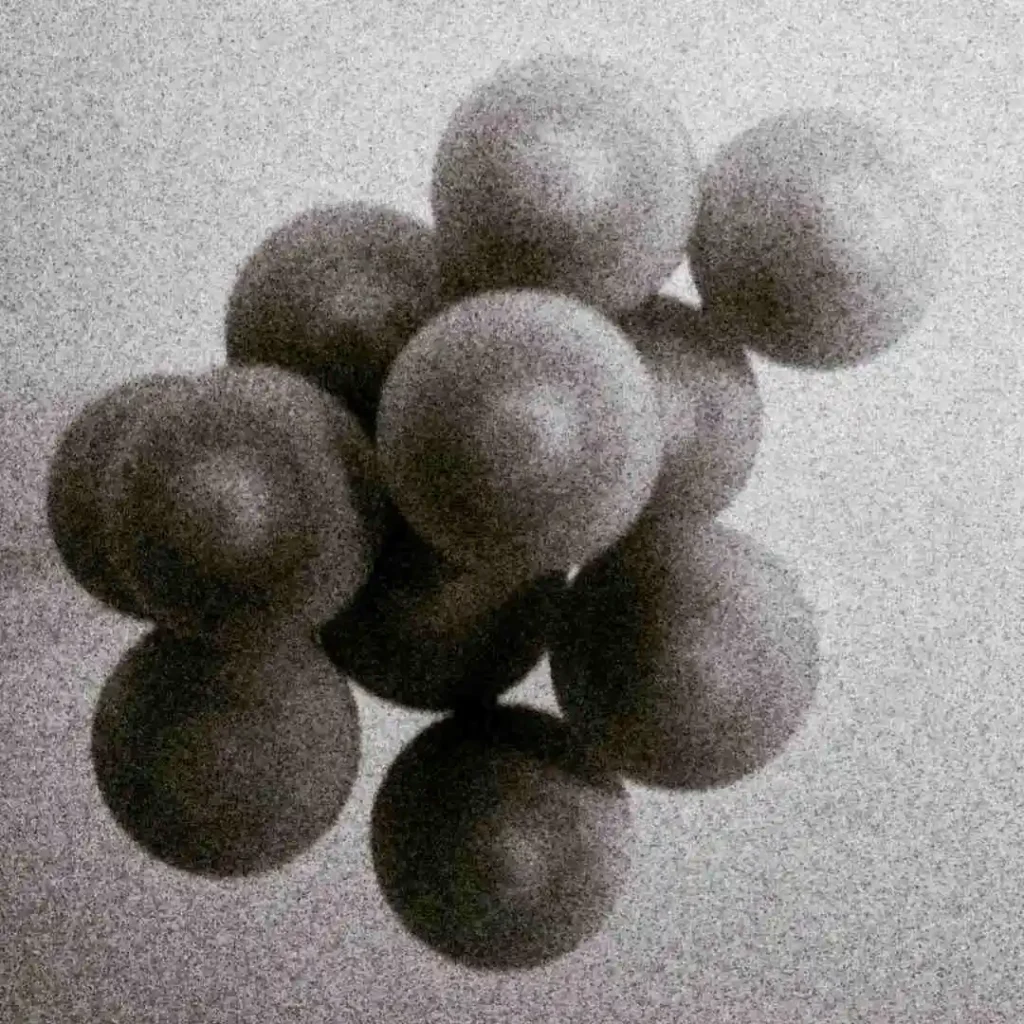
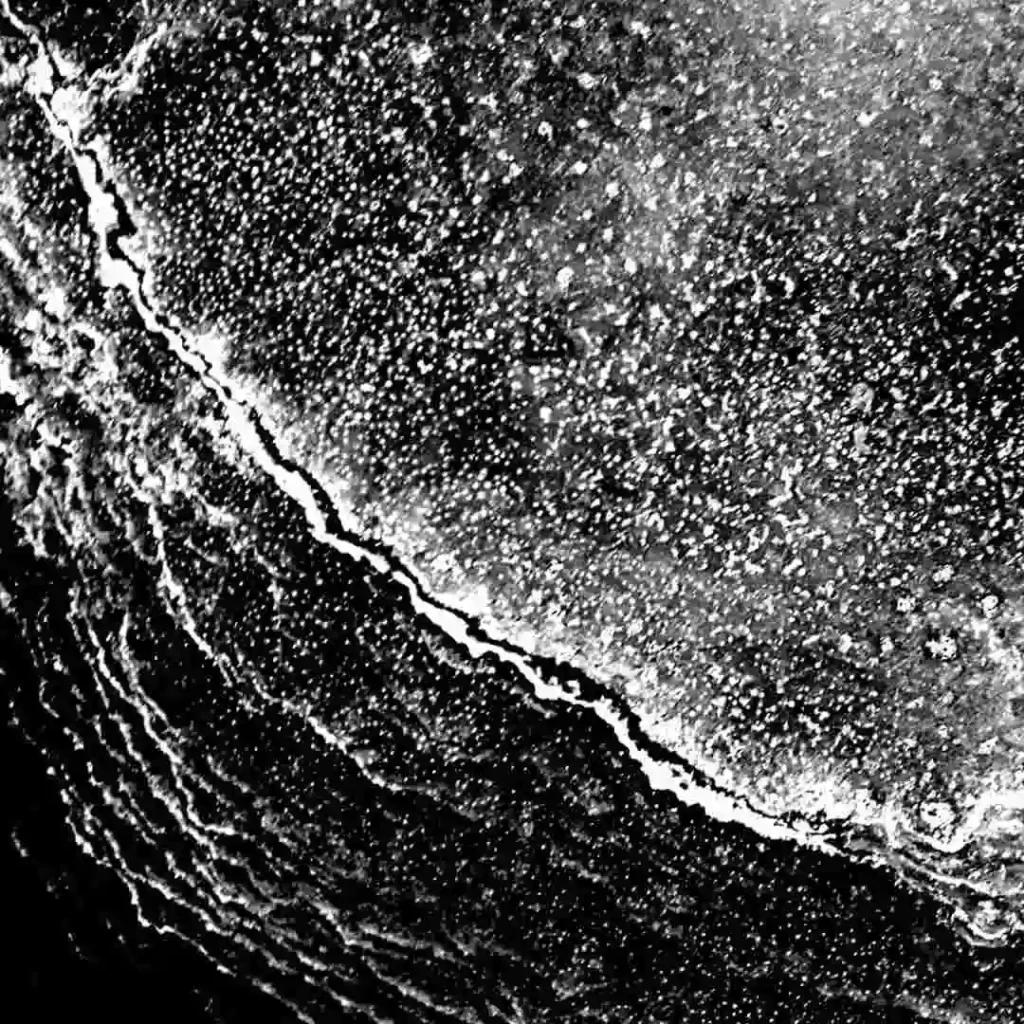
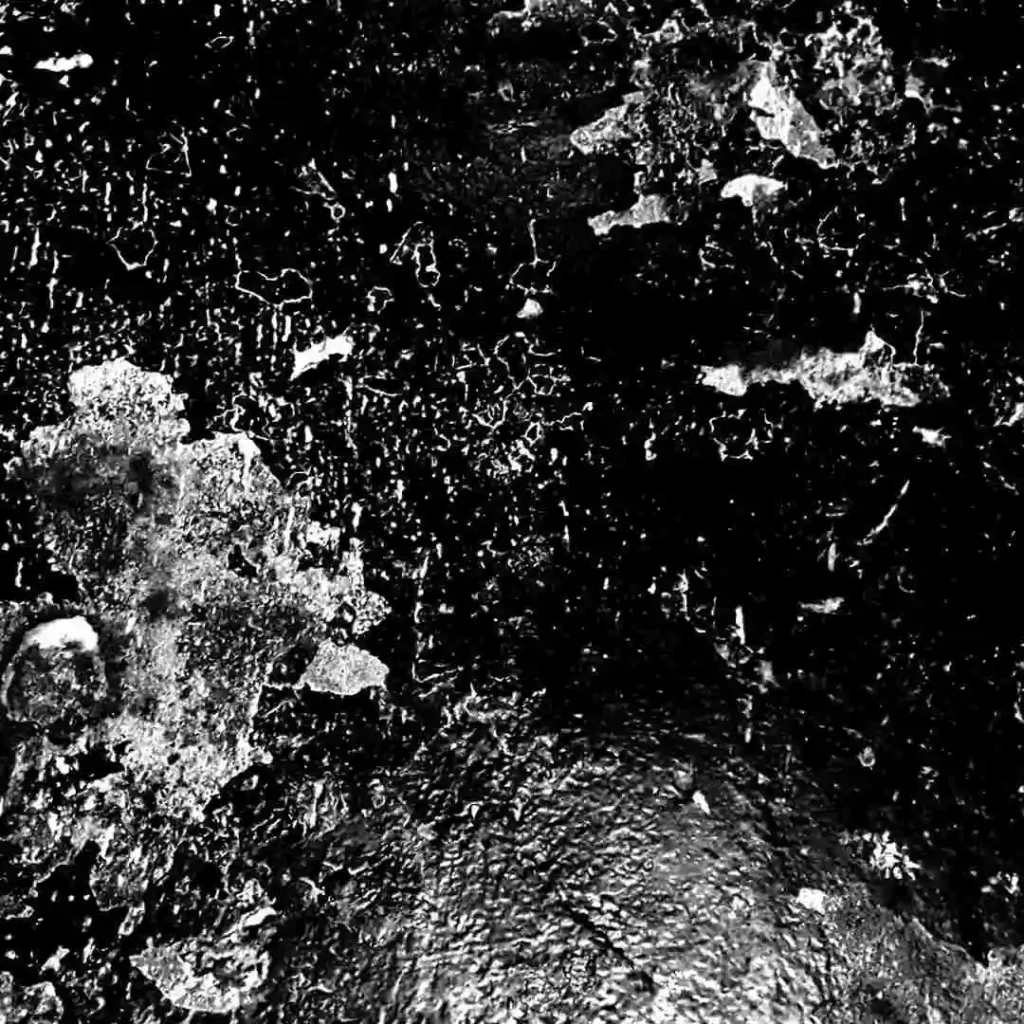
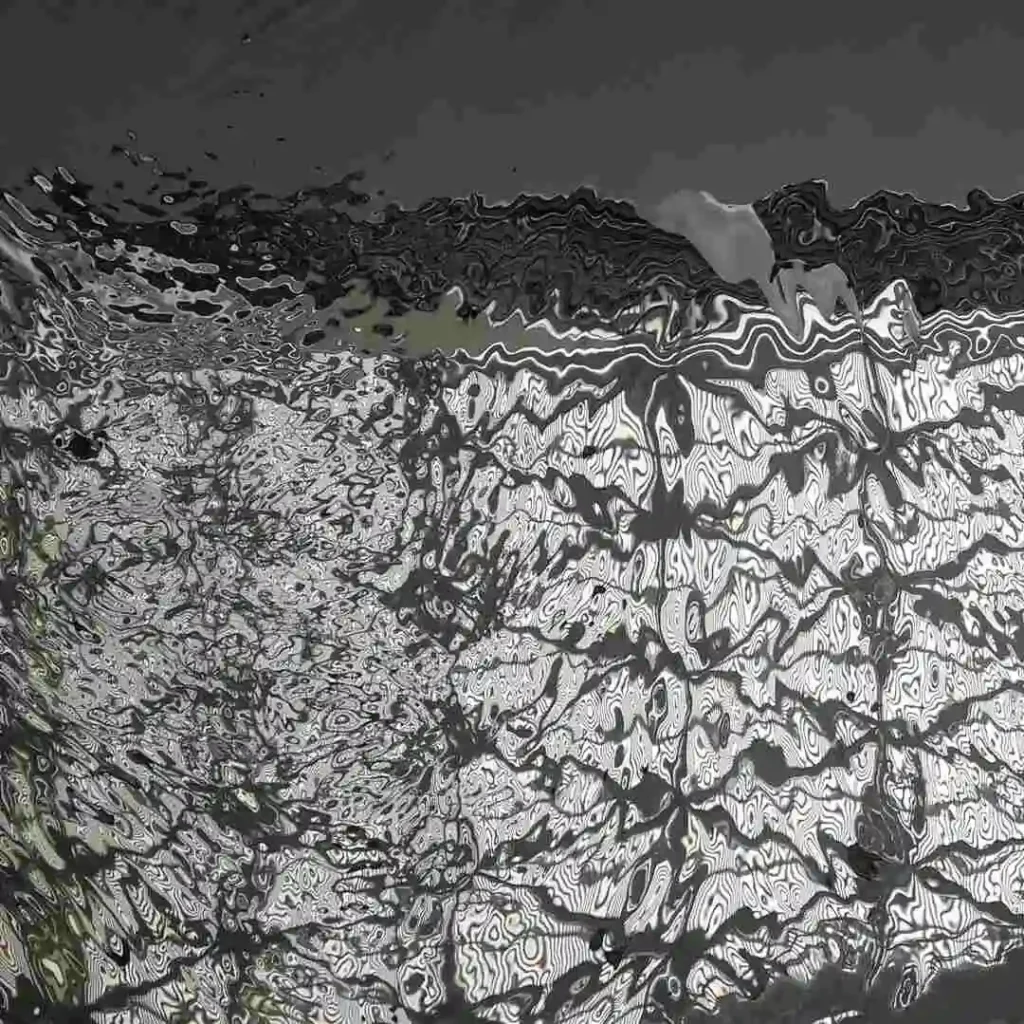
The series Formal Abstractions emerged from a deliberate contradiction. It evokes the monumental gesture of Abstract Expressionist painting within the intimate scale of a 10 × 10 cm format, compelling the viewer into an unusually close relationship with the image. In Abstract Expressionism, the stain of colour, the dripping gesture, and the physical action upon the surface possess something of ritual, trance, and the bodily manifestation of an inner impulse. Jackson Pollock expanded the canvas until it became immersive, while Gerhard Richter explored the fragile boundary between image and its own erasure.
Here, however, the territory of the image is condensed into a microcosm. Rather than being immersed within the work, the viewer is invited to approach it, discovering a universe contained within the limits of an image that expands not physically but conceptually. This is a territory where representation does not simply capture but translates; where the automatism of the Expressionists is reversed into a conscious act of selection and composition. Photography becomes, in a sense, the record of a painting that never existed—a gesture not executed upon a canvas but discovered in the world and framed by the camera.
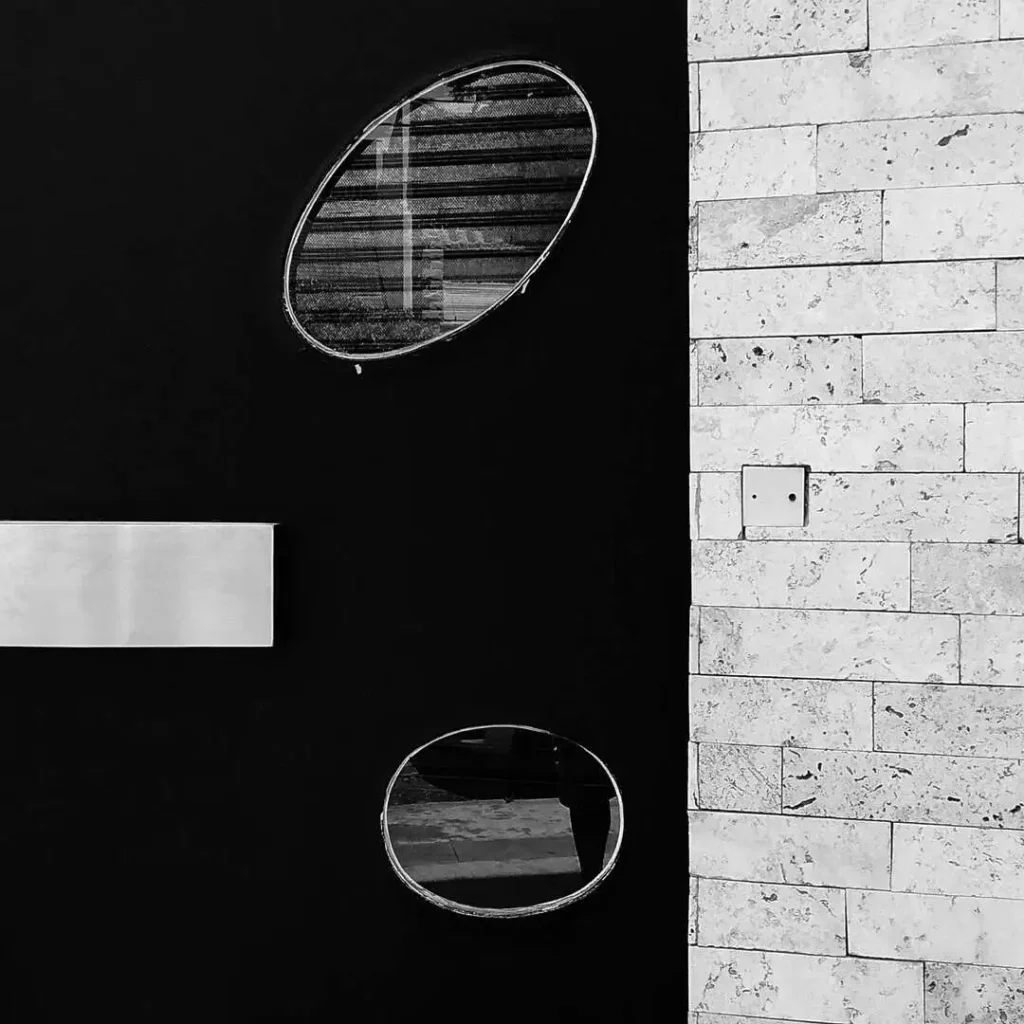
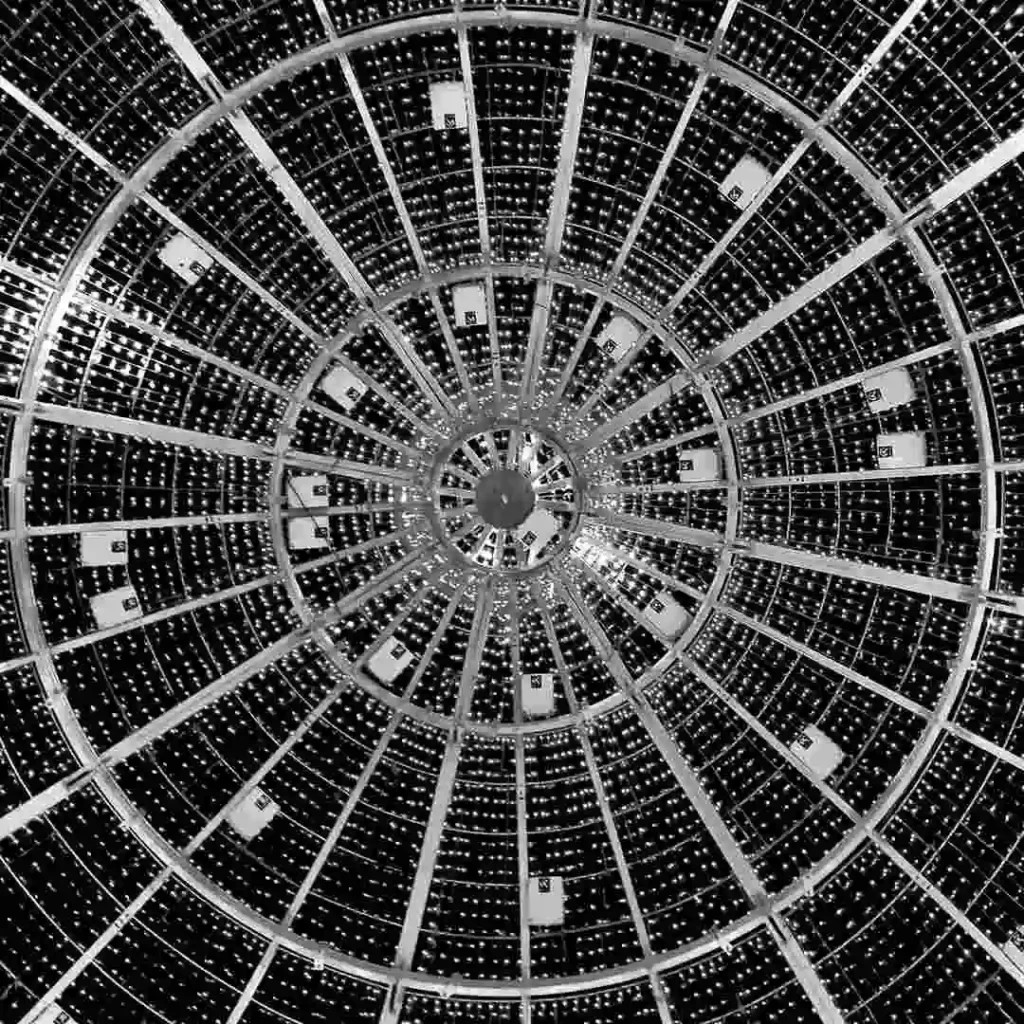
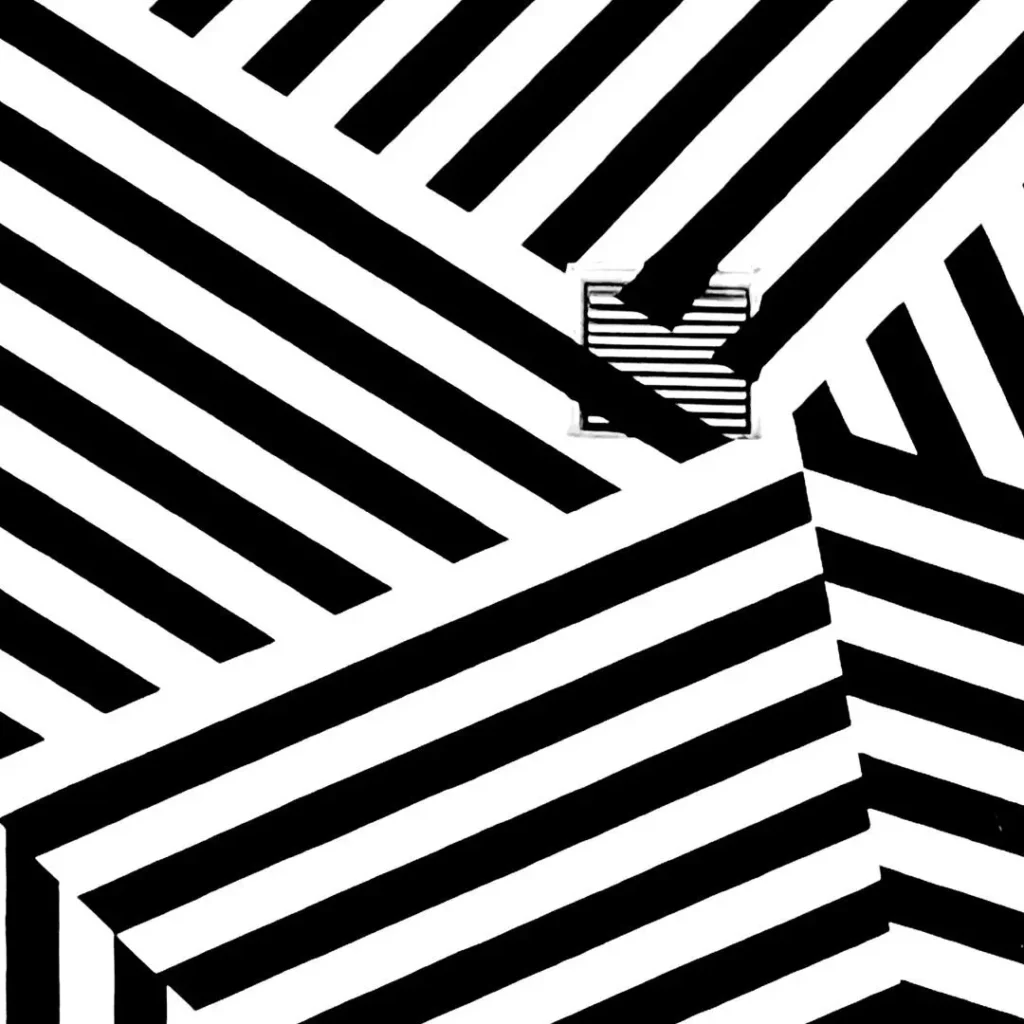
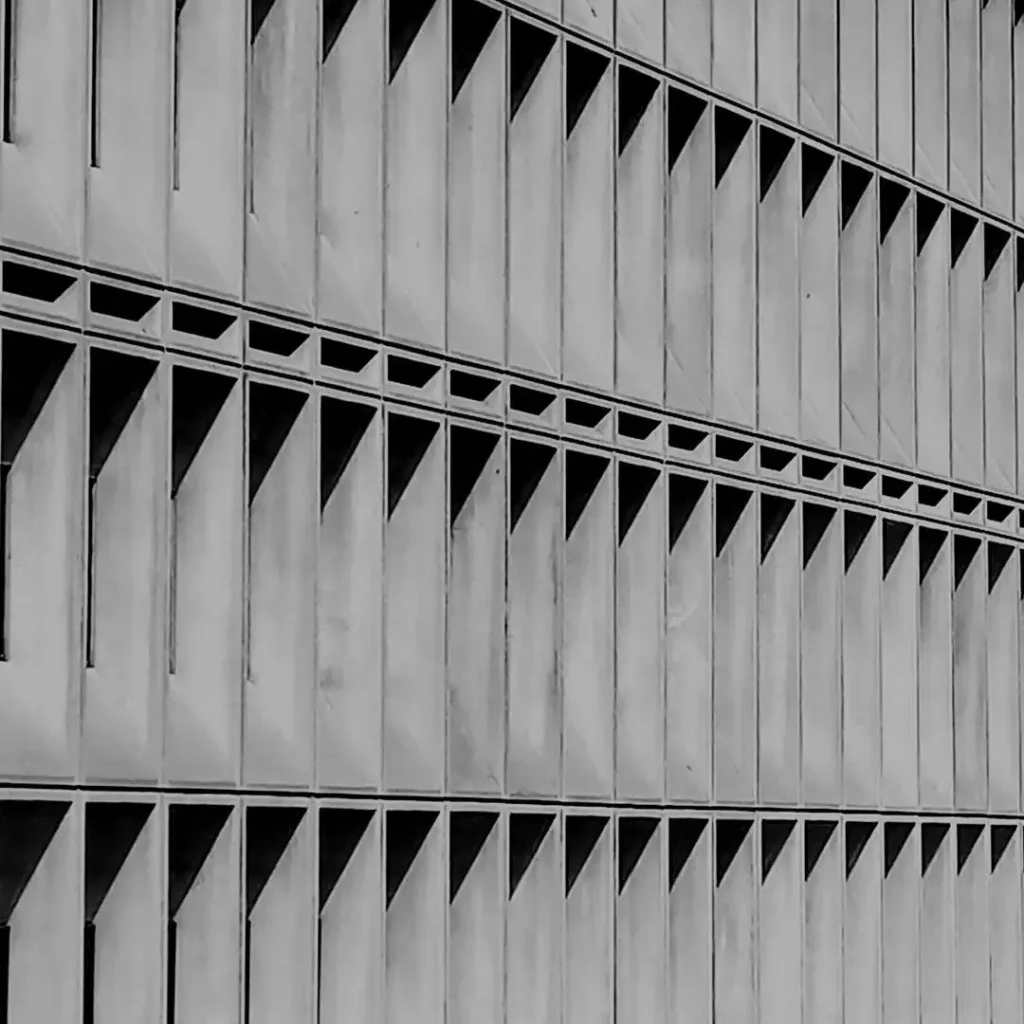
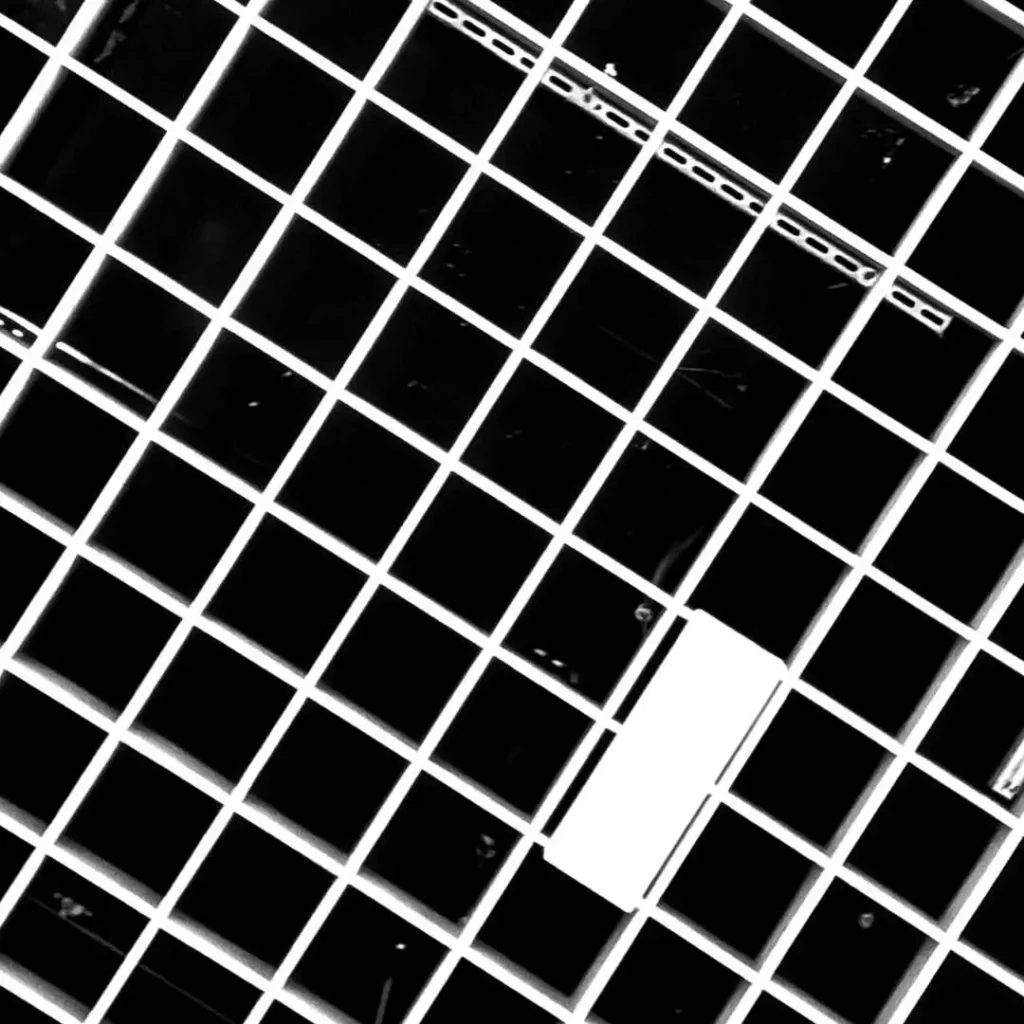
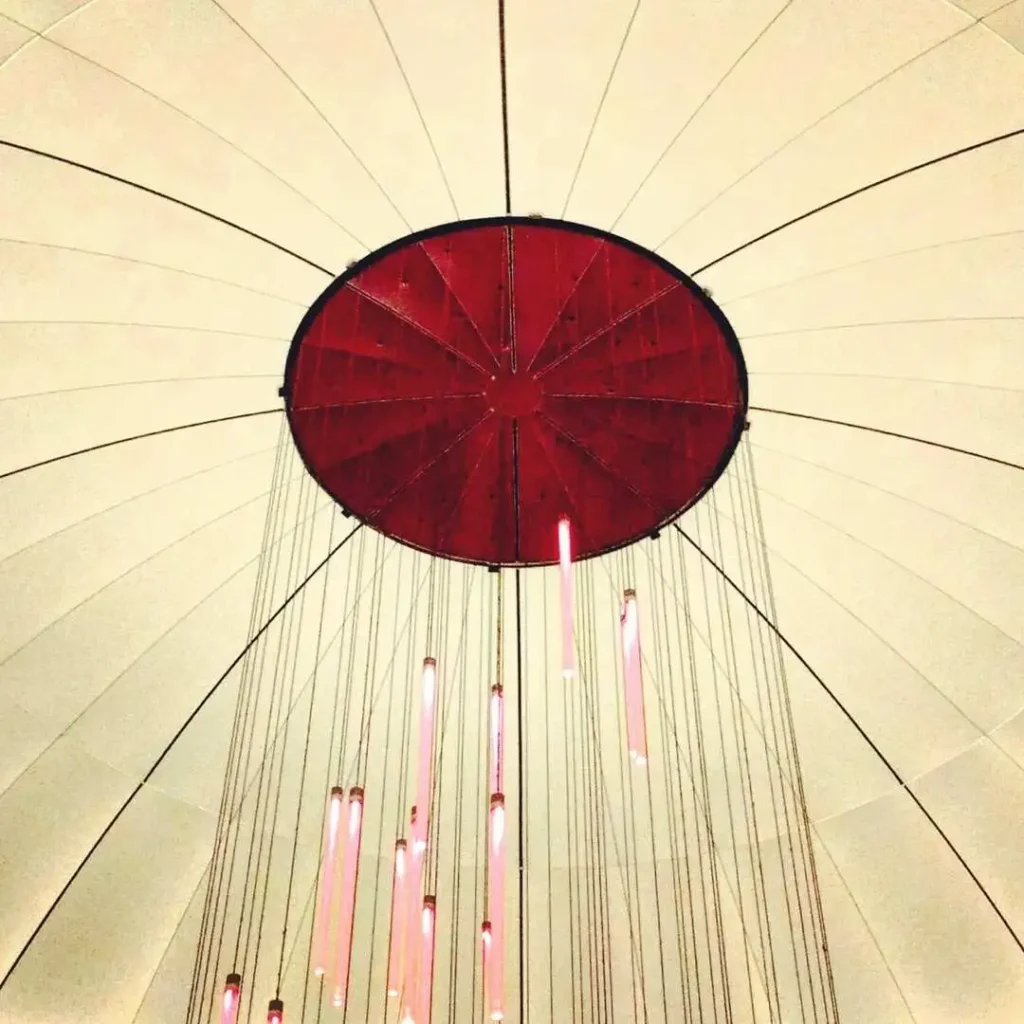
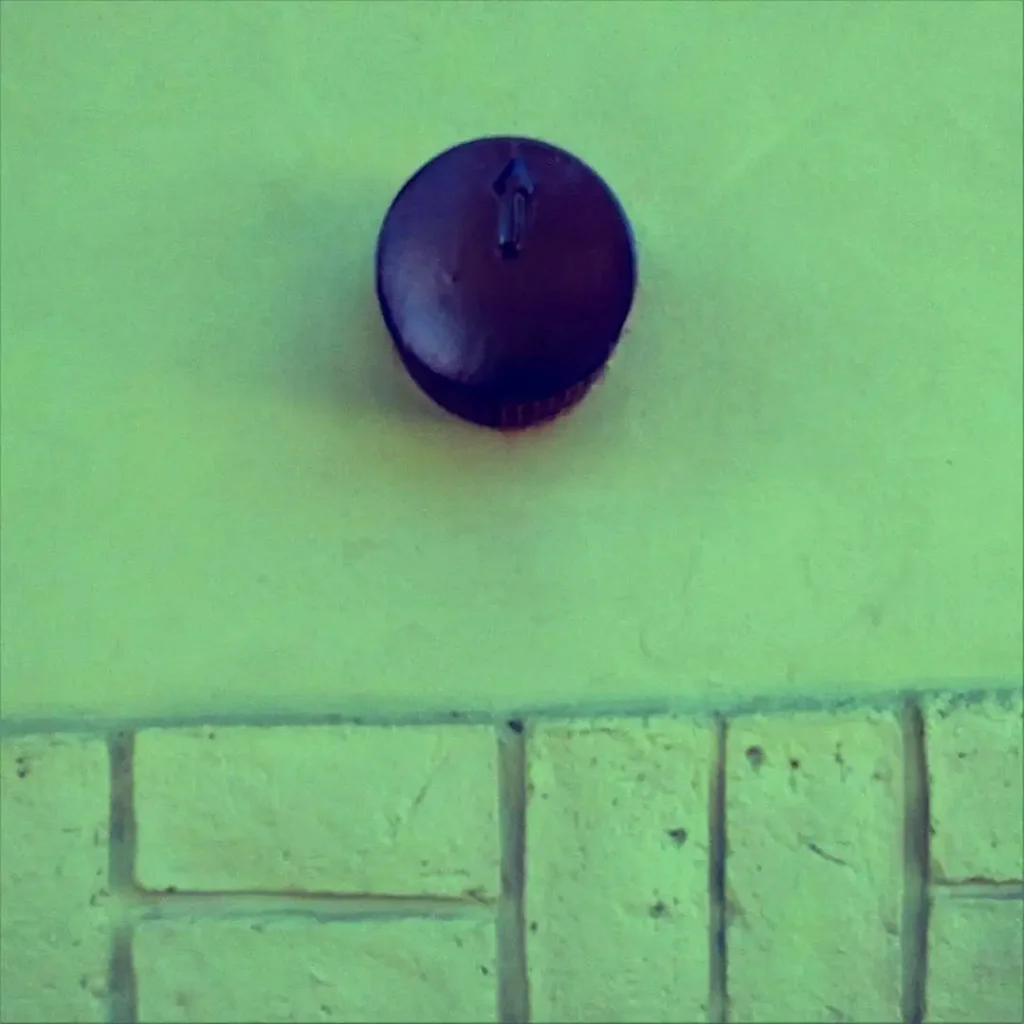
In the series Geometric Abstractions, by contrast, I seek to enter into dialogue with Kazimir Malevich's Suprematist ideas and Wassily Kandinsky's geometric language, understanding form as the bearer of an essence that transcends the visible. Form is not merely a compositional device but a system of meaning—a coded language in which the square, the line, and the circle cease to be simple shapes and become experience.
Within Suprematism, the image abandons explicit references to nature without relinquishing its evocative power. A black square on a white ground is, in its radical simplicity, an abyss, a threshold, an idea of wholeness suspended against emptiness. Kandinsky recognised in the vibration of colour and the purity of line a profound spiritual resonance. These photographs inherit that search in their own way: form not as container but as portal—as the catalyst for an experience that is simultaneously primordial and contemporary.
The two series converge in the notion of the fragment—not as the trace of something lost, but as the manifestation of a complete reality in itself. Friedrich Schlegel described the fragment as the purest expression of Romantic irony because it embodies both the aspiration towards totality and the impossibility of ever achieving it. Photography operates according to the same logic. What the frame contains is only a portion of the world, yet within that portion an entire vision is at stake.
As in Olafur Eliasson's Cartographic Series, where landscape becomes an abstract register of invisible forces, or Carlos Pérez Siquier's La Chanca in Colour, where fragments of weathered walls become autonomous works detached from their original context, the image here does not represent the world but maps the formal tensions through which it is structured.
If photography is, as Salvador Dalí once intuited, the finest instrument for perceiving the relationship between realism and Surrealism, then these images function as transitional territories where the dreamlike and the rational, the spontaneous and the constructed, the material and the conceptual, collide and merge. My intention is to sustain a double tension: on the one hand, the contingency and unpredictability of reality as revealed by found fragments; on the other, the precision of composition—the deliberate effort to organise those scattered elements into an order that exists nowhere except within the image itself.
This oscillation between what is given and what is constructed, between spontaneity and intention, lies at the very core of the photographic gaze I seek to cultivate.
What I pursue here is not another mode of representation but a lateral exploration of how we see and, above all, how we think about what we see. Through fragmentation, the image ceases to be a mere object and becomes a question. What do we truly perceive when we look? Where is the boundary between the real and the abstract? Is the image a reflection of the world, or is it the world that finds its reflection in the image?
In their constant negotiation between intuition and calculation, materiality and idea, these photographs invite the viewer to inhabit that threshold—to recognise within the fragment not absence, but the enduring promise of a wholeness that always remains to be discovered.