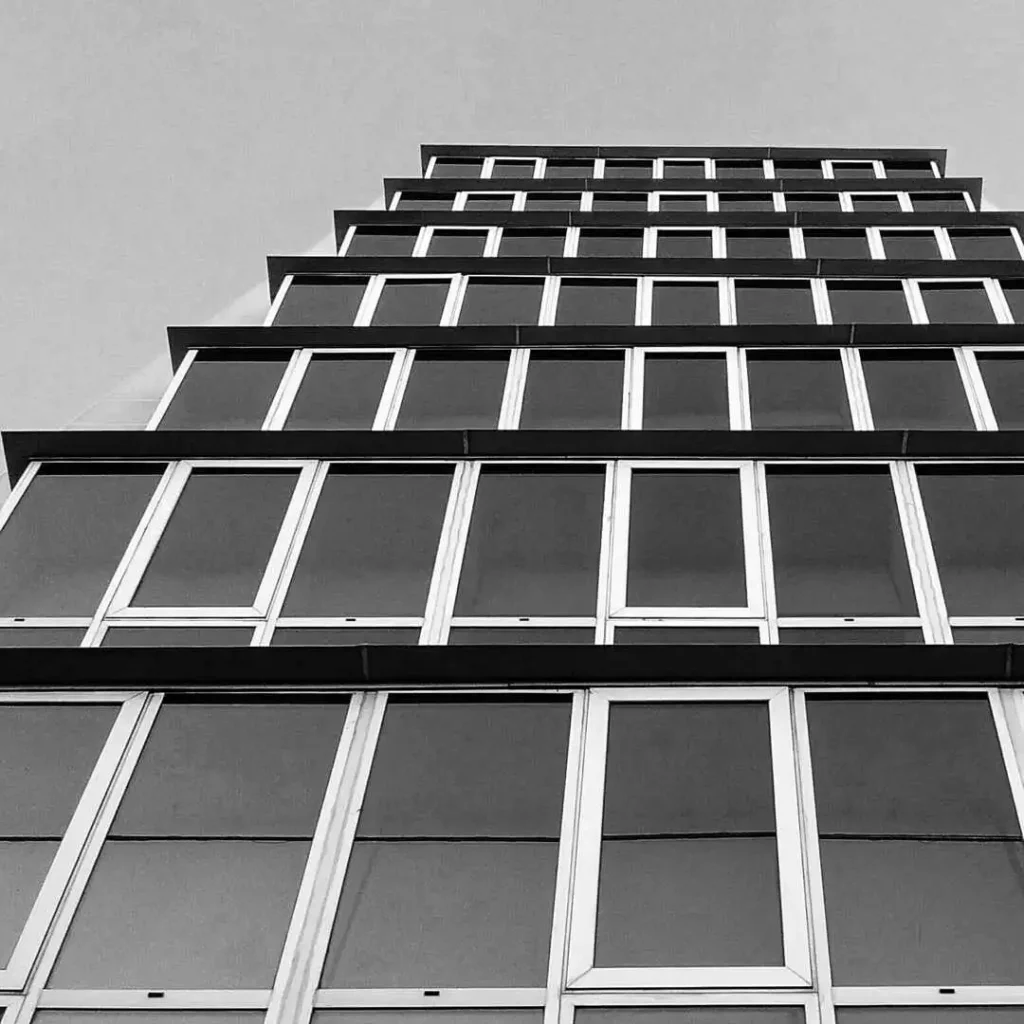
The forms we create reveal how we think and the contexts in which our thinking takes shape. They emerge according to particular criteria, and those criteria, in turn, are reproduced within the individuals who encounter them. Form is never arbitrary. It is shaped by material limits and by productive, economic, and technological conditions that ultimately become the constraints governing the morphological operations of every future artefact.
When these conditions are embodied in domestic architecture, they reveal the ways in which we conceive particular forms of social life. Throughout our development as individuals, these built forms become part of an intimate and private perceptual sequence that continually stands in tension with the external and public world.
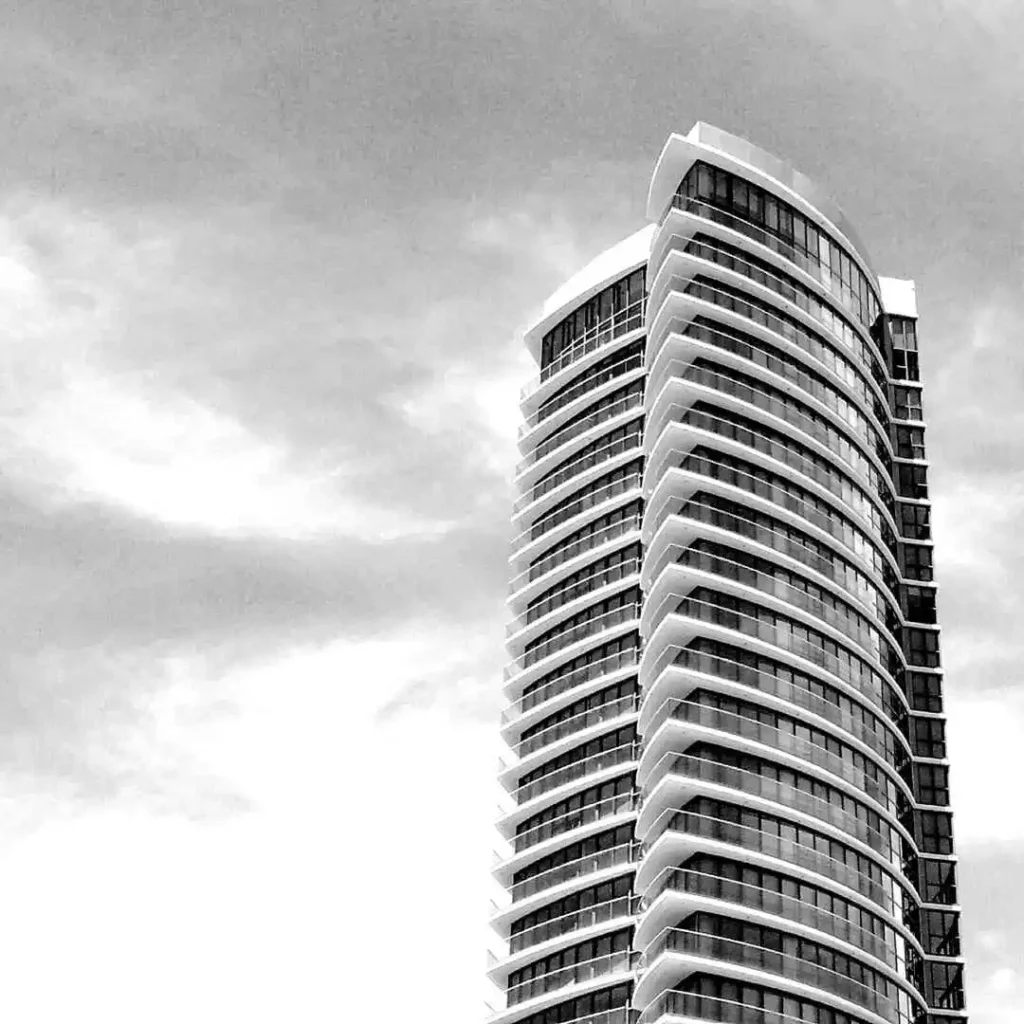
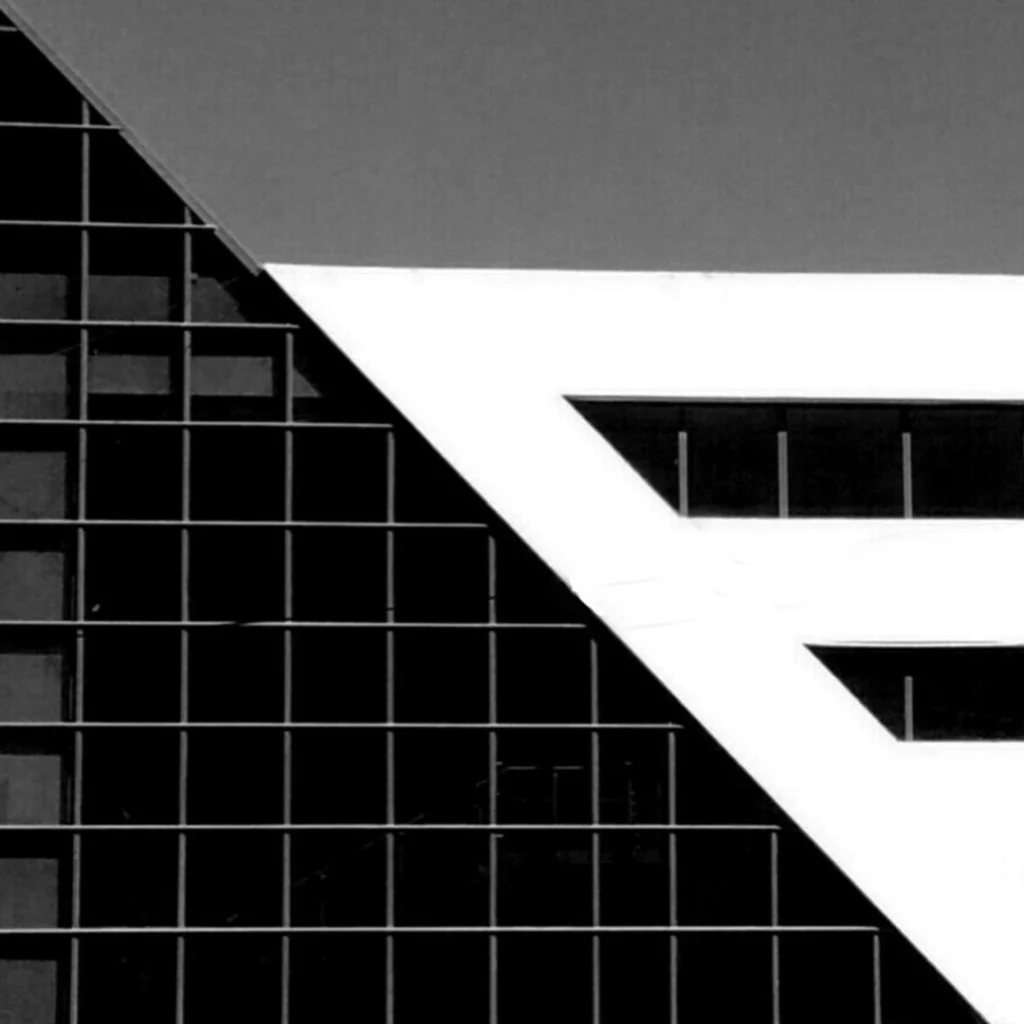
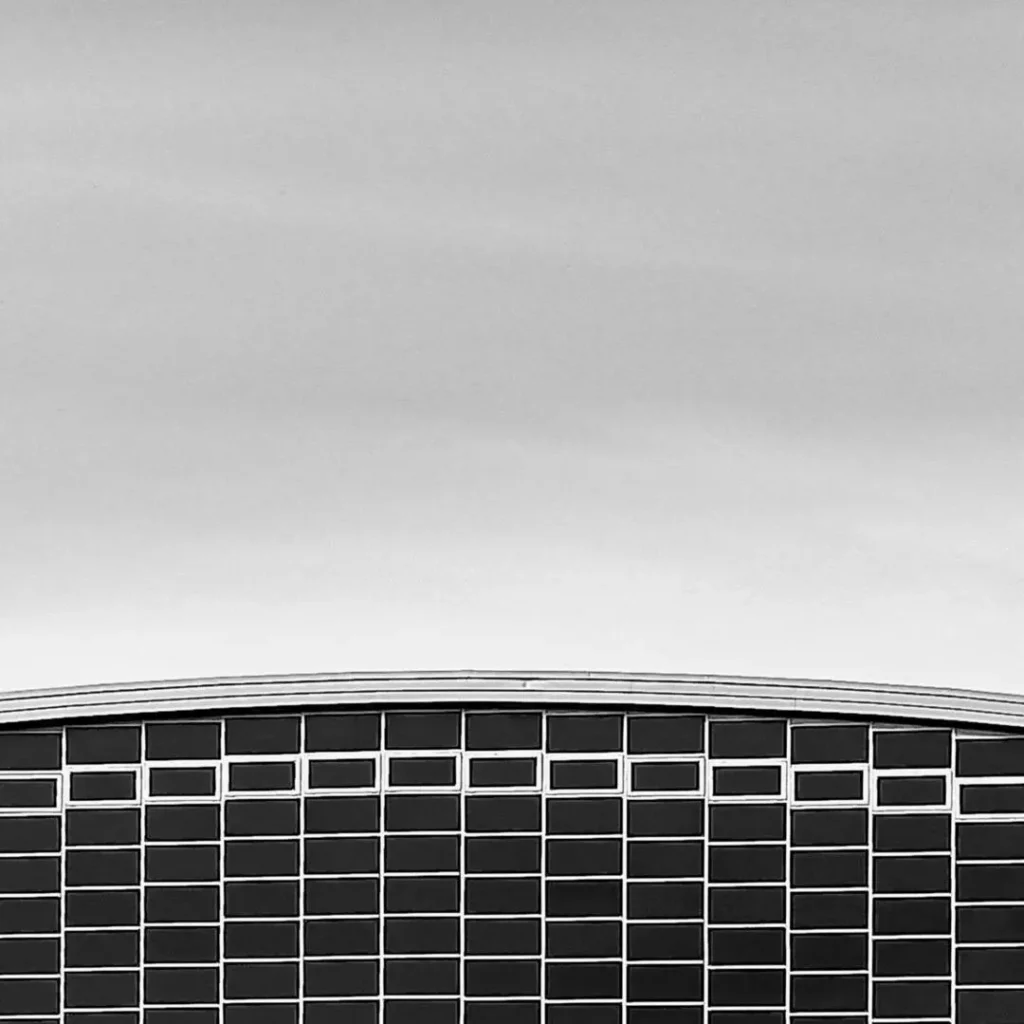
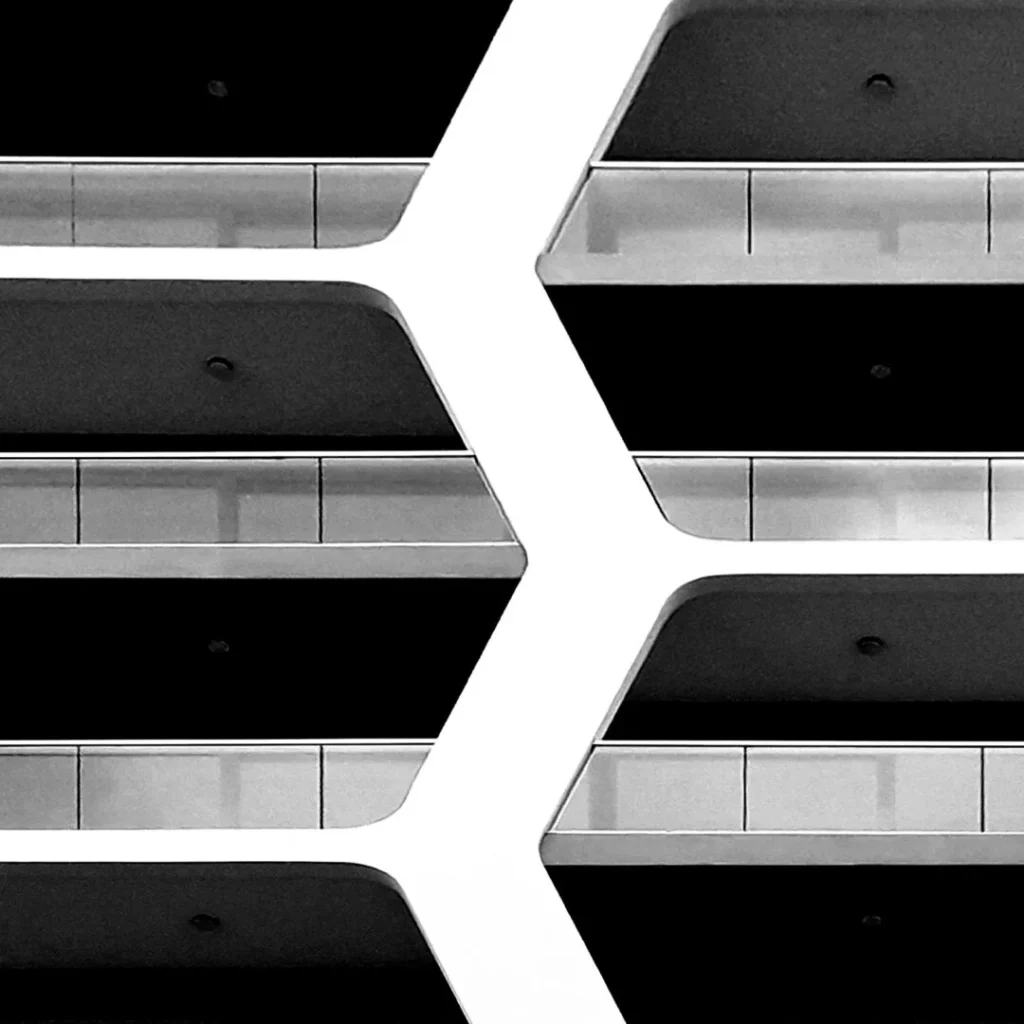
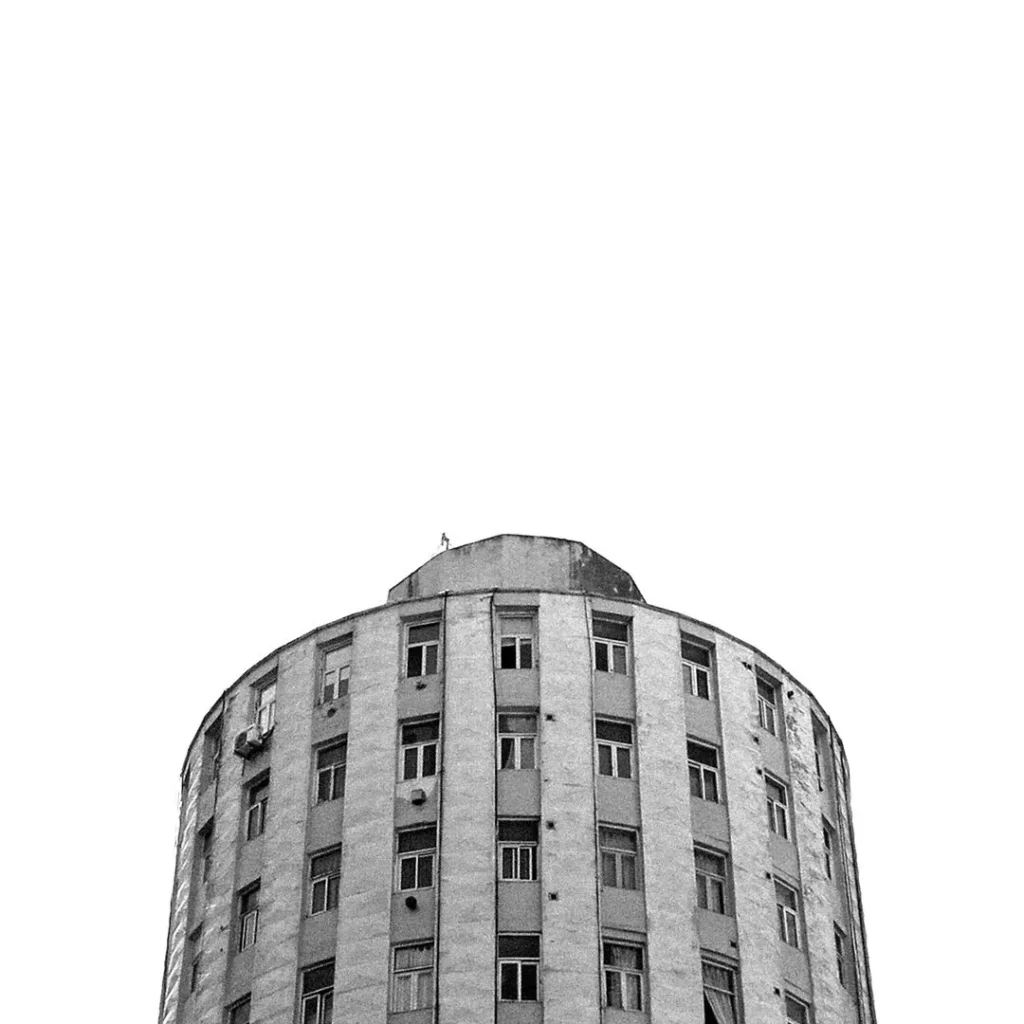
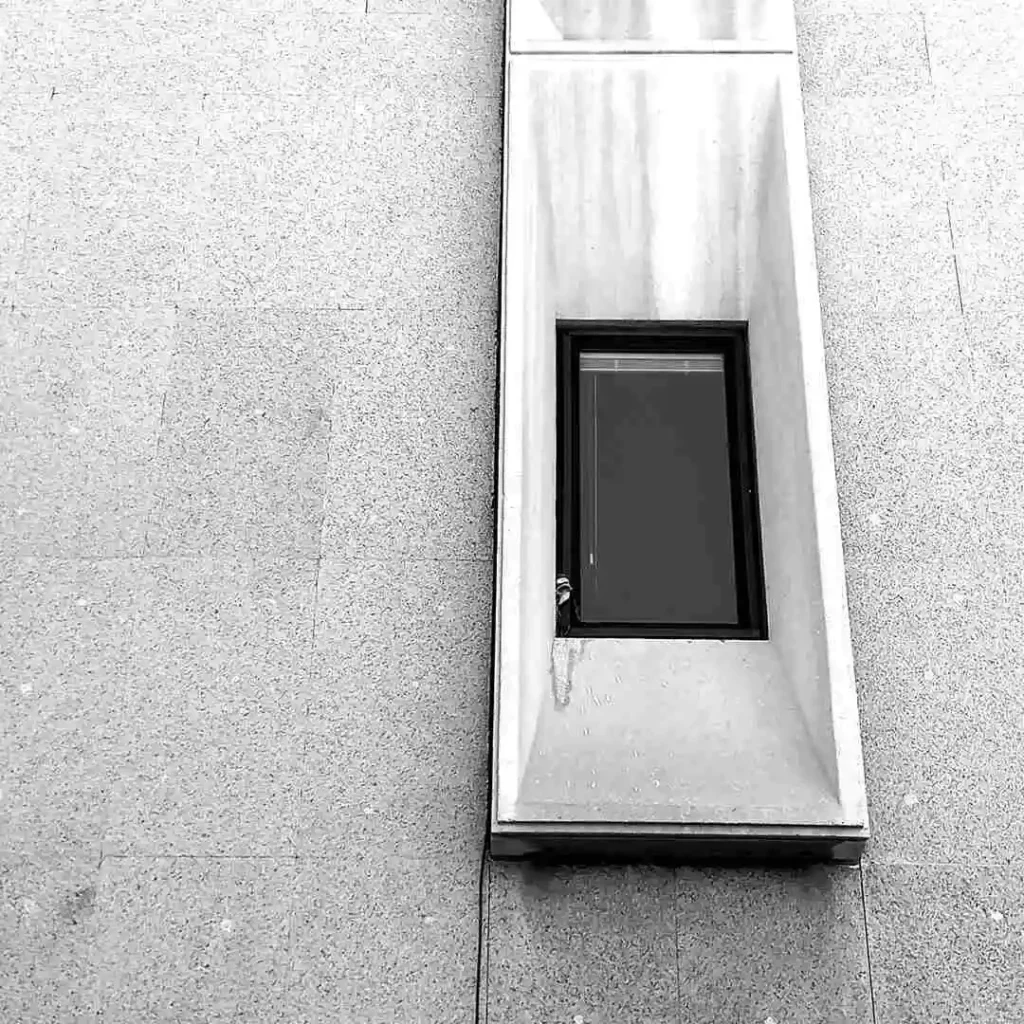
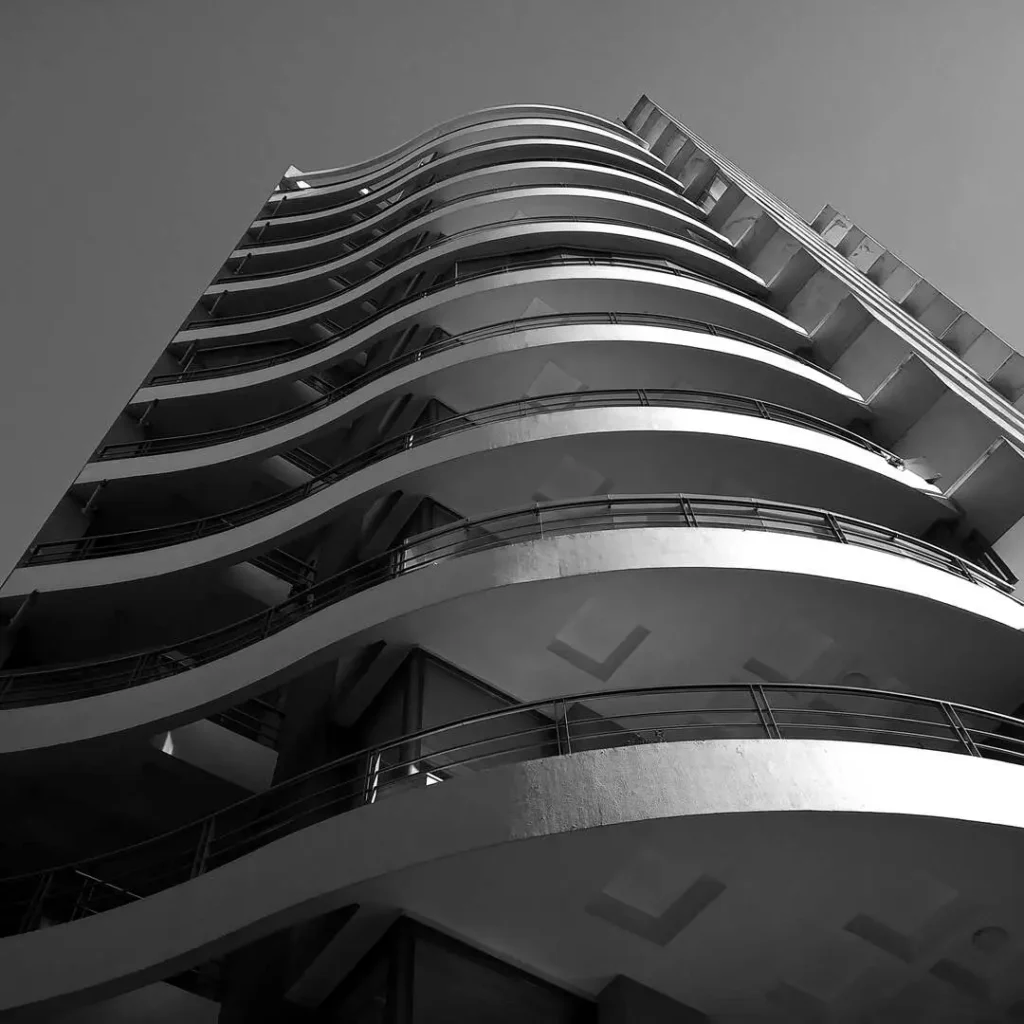
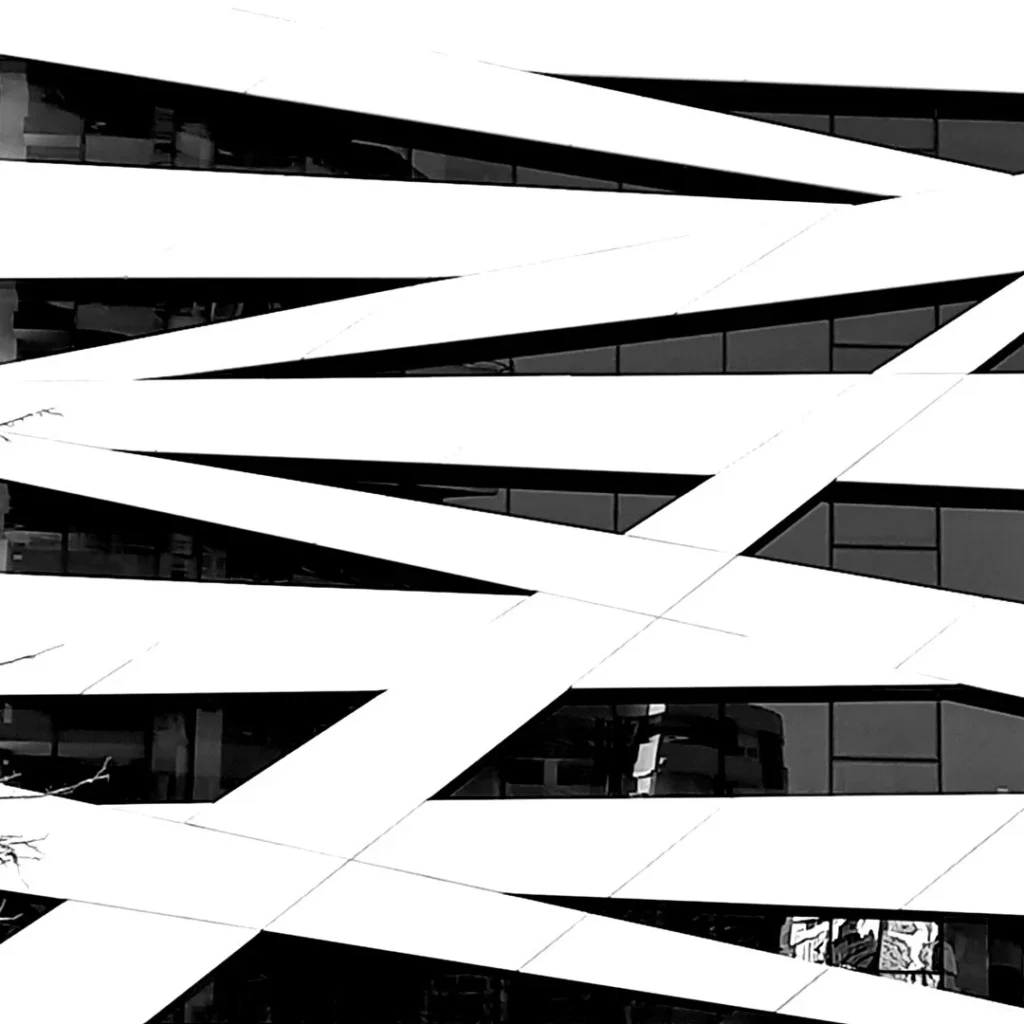
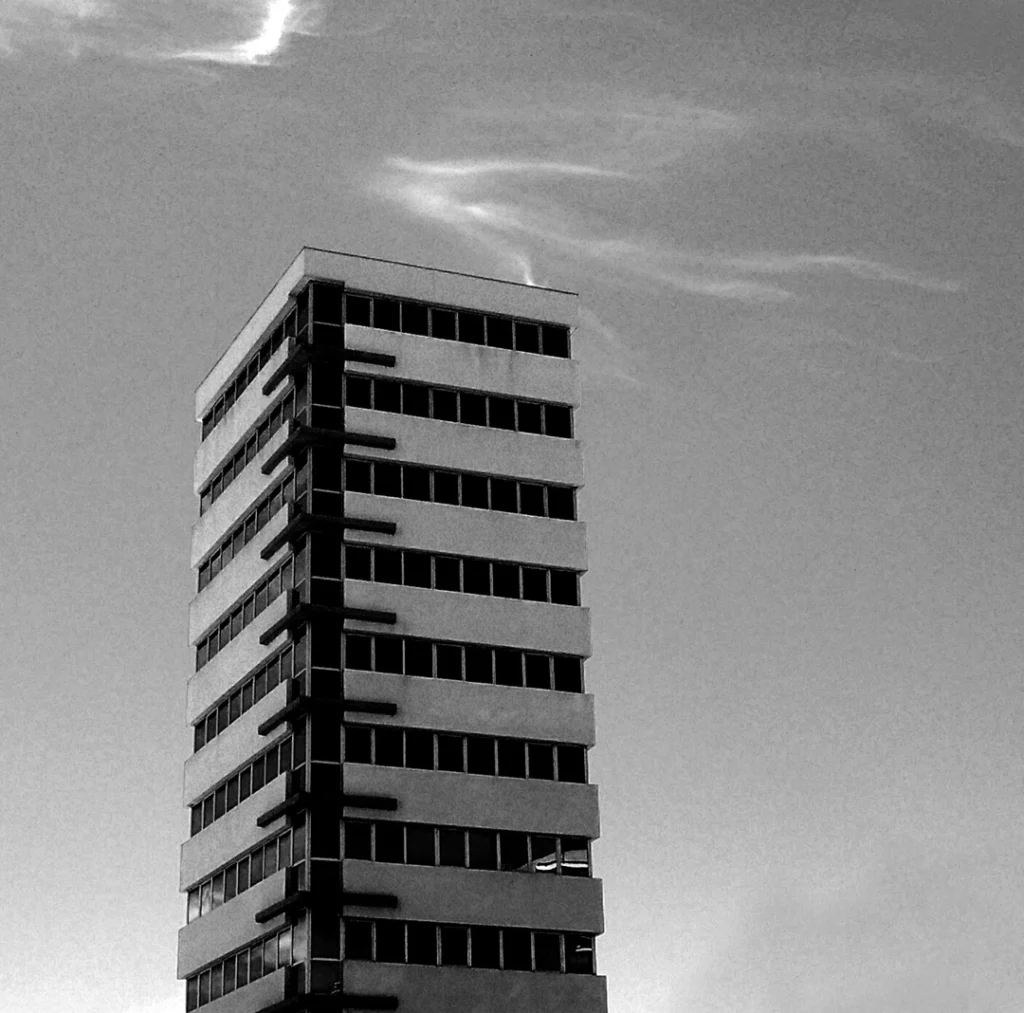
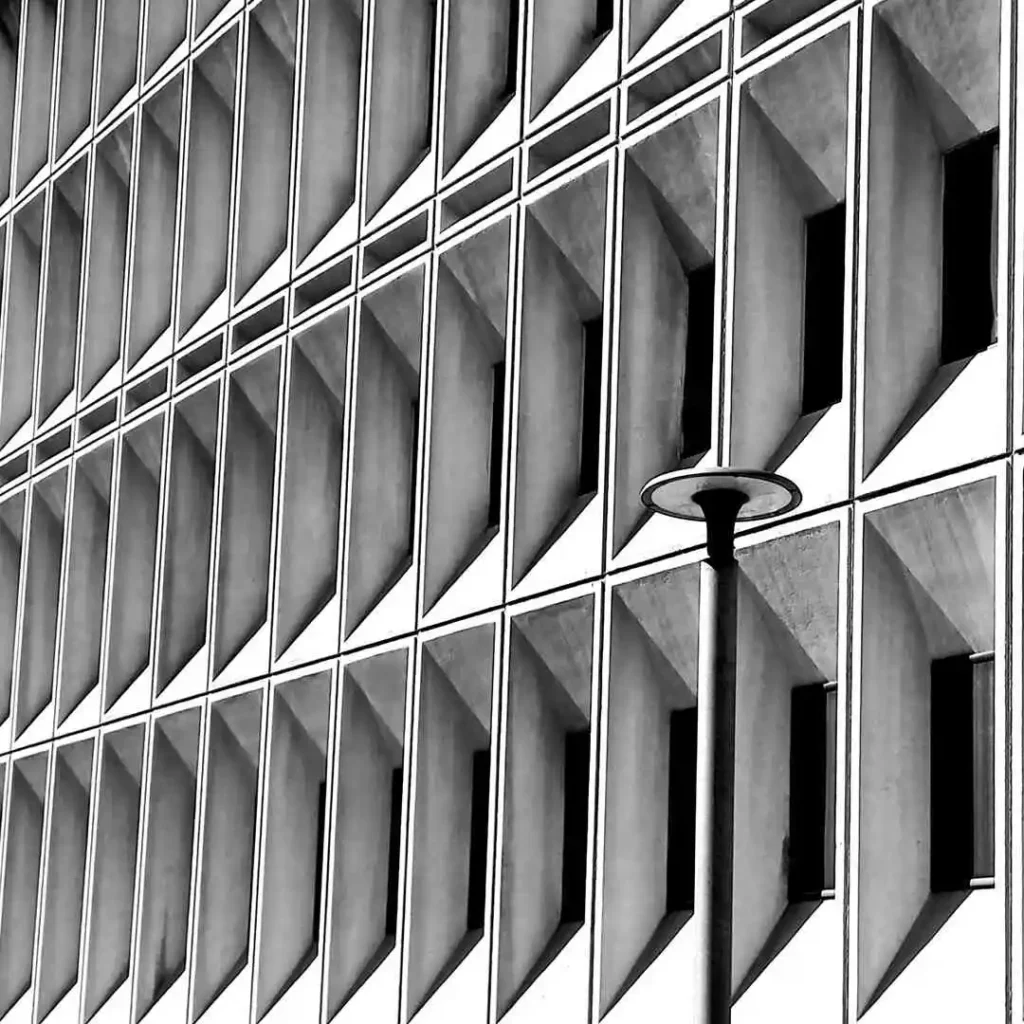
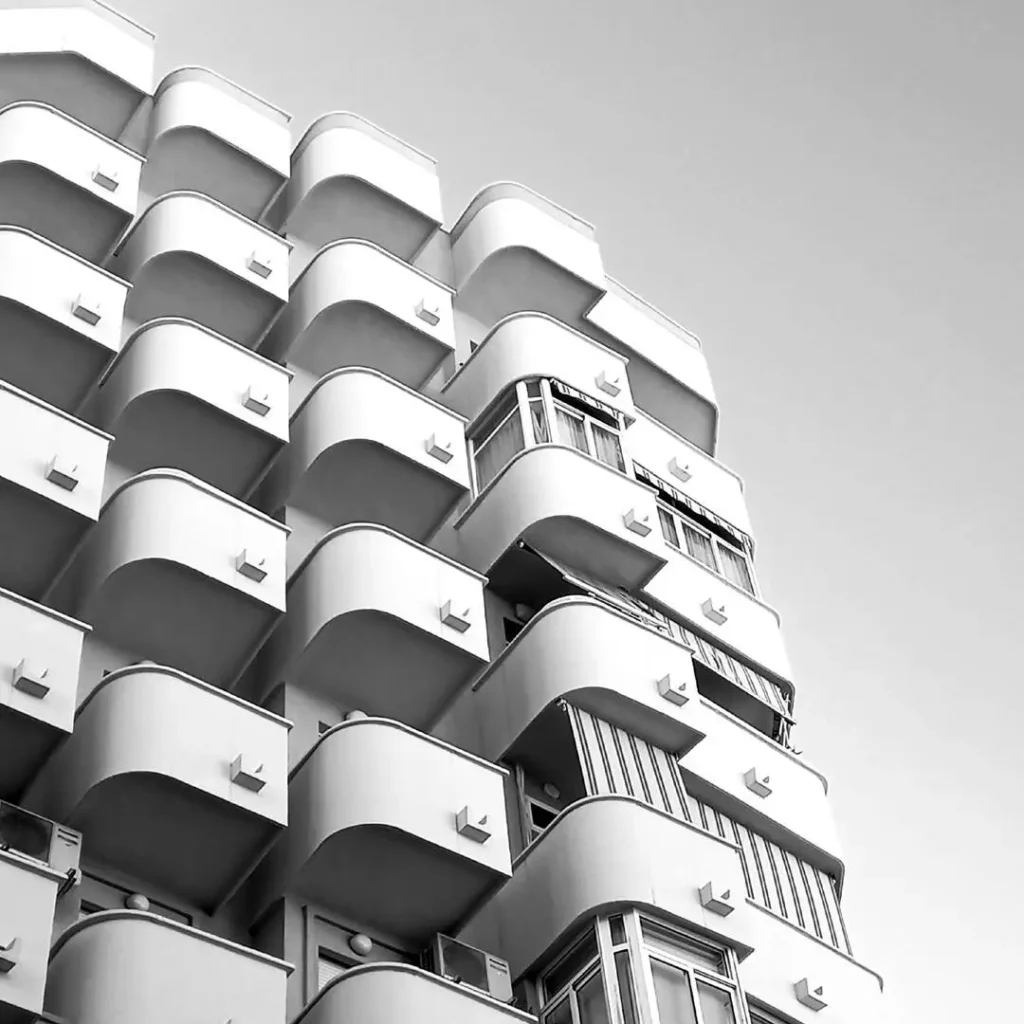
The aim of this photographic series was to observe a narrative unfolding through the relationship between resources and creativity, as expressed in the morphology of buildings. Yet the protagonists of these photographs are not their architects. Instead, the work repeatedly examines how acquired resources—visual, aesthetic, intellectual, economic, and technological—are transferred first into material form and then into perception itself.
By bringing together different houses as artefacts, I sought to construct an "anonymous" narrative of landscape and city: a narrative detached from ownership or identity; a fiction in which sequence alone generates meaning within the viewer's own "mental landscape".
In The Aesthetics of Photography, François Soulages proposes that one way of approaching architectural photography is through the notion of arché: the origin, the archaic, and the structural principle simultaneously present within architecture. Every architectural photograph, he argues, reveals a triple arché: that of the dwelling, that of the photographer, and that of the viewer. The unconscious itself resembles a strange architectural dwelling whose walls, windows, and interiors oscillate between the preconscious and the unconscious, becoming part of what we ultimately recognise as the architecture of the self.
I understand the Interfascze embodied in domestic architecture as the manifestation of a tacit and immanent arché, just as photography captures what is both unrepeatable and ultimately impossible to photograph completely. It seems likely that every architectural project begins within an Interfascze between the inhabitant's limbic system—the emotional and instinctive dimension of experience—and the immediate material and symbolic environment in which that individual lives.
This series originated as an intellectual curiosity, inspired by my admiration for the work of photographers such as Aleksandr Rodchenko, Demas Rusli, Dirk Bakker, Yener Torun, Florian W. Mueller, Gustav Willeit, Kevin Krautgartner, Lewis Baltz, Minh T., and Salvador Cueva.
The constant availability of the camera became an essential part of the process. Whenever necessary, I could return to the same place, photograph the same façade at different times of day, and discover that each encounter produced a different image. The building remained unchanged; it was light, time, and point of view that transformed its meaning.
Over time, however, I came to realise that the true subject of this series was not architecture itself, but the language that produces it. The façades we encounter appear different, yet they all share the same underlying grammar. Every house embodies inherited decisions, available resources, and cultural models that are transmitted, repeated, and transformed across generations. As with individuals, singularity never emerges from nothing; it is always constructed upon a shared repertoire.
Seen as a sequence, these photographs cease to speak about isolated buildings and begin to reveal a system. The city then emerges as a collective construction, where the repetition of subtle variations makes visible a deeper structure: the way a society imagines, builds, and inhabits its own world.